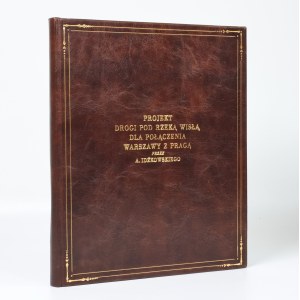
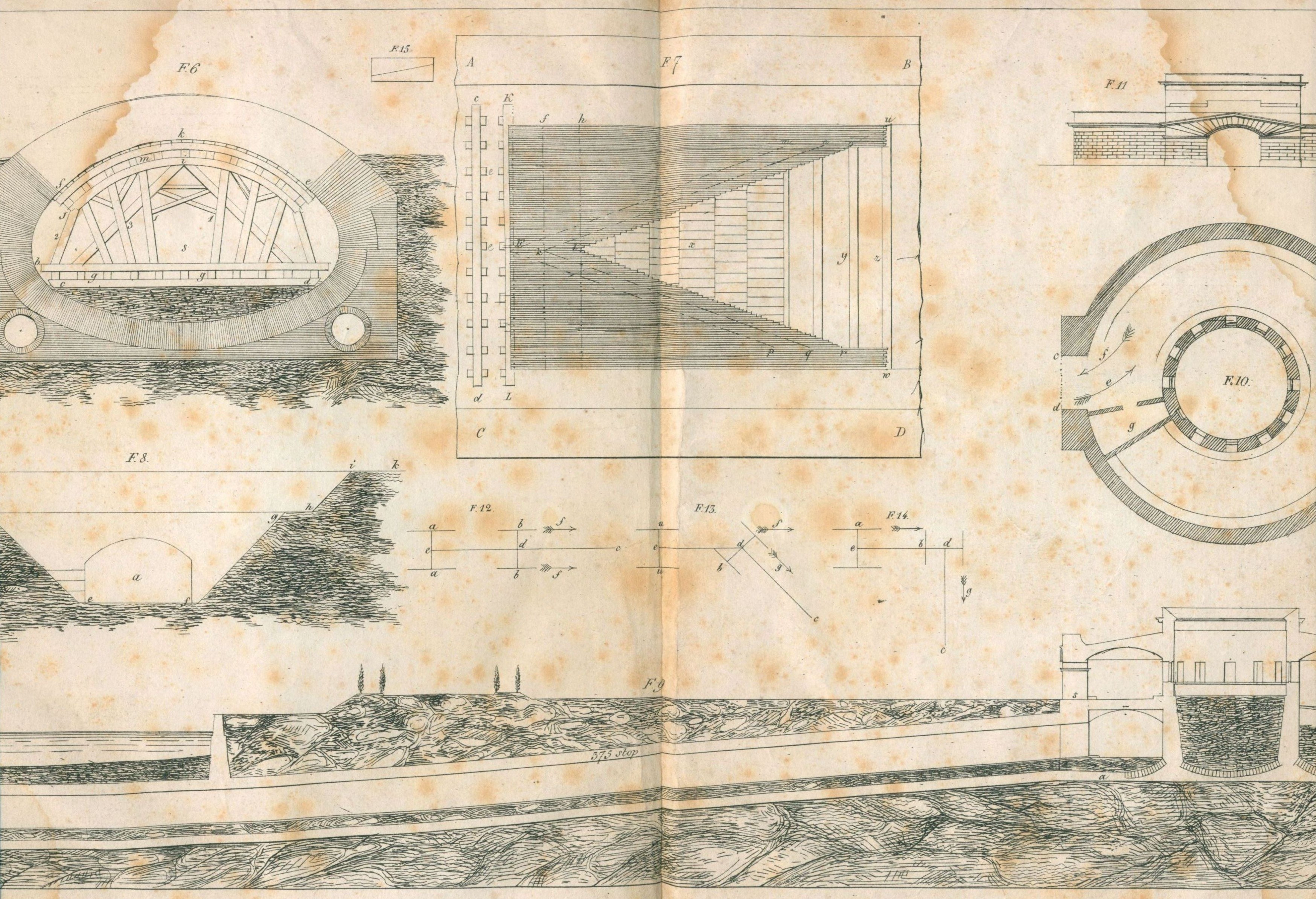
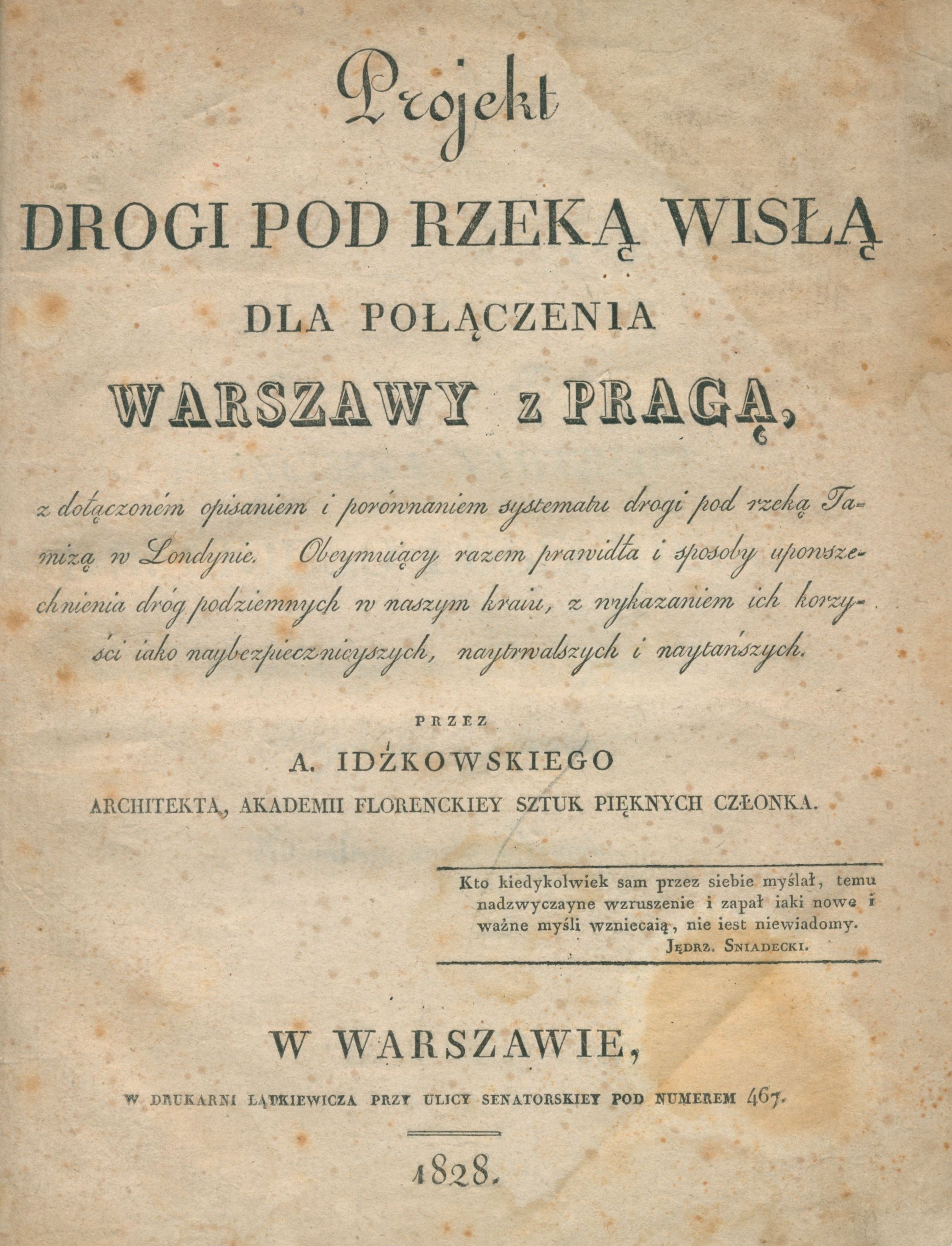
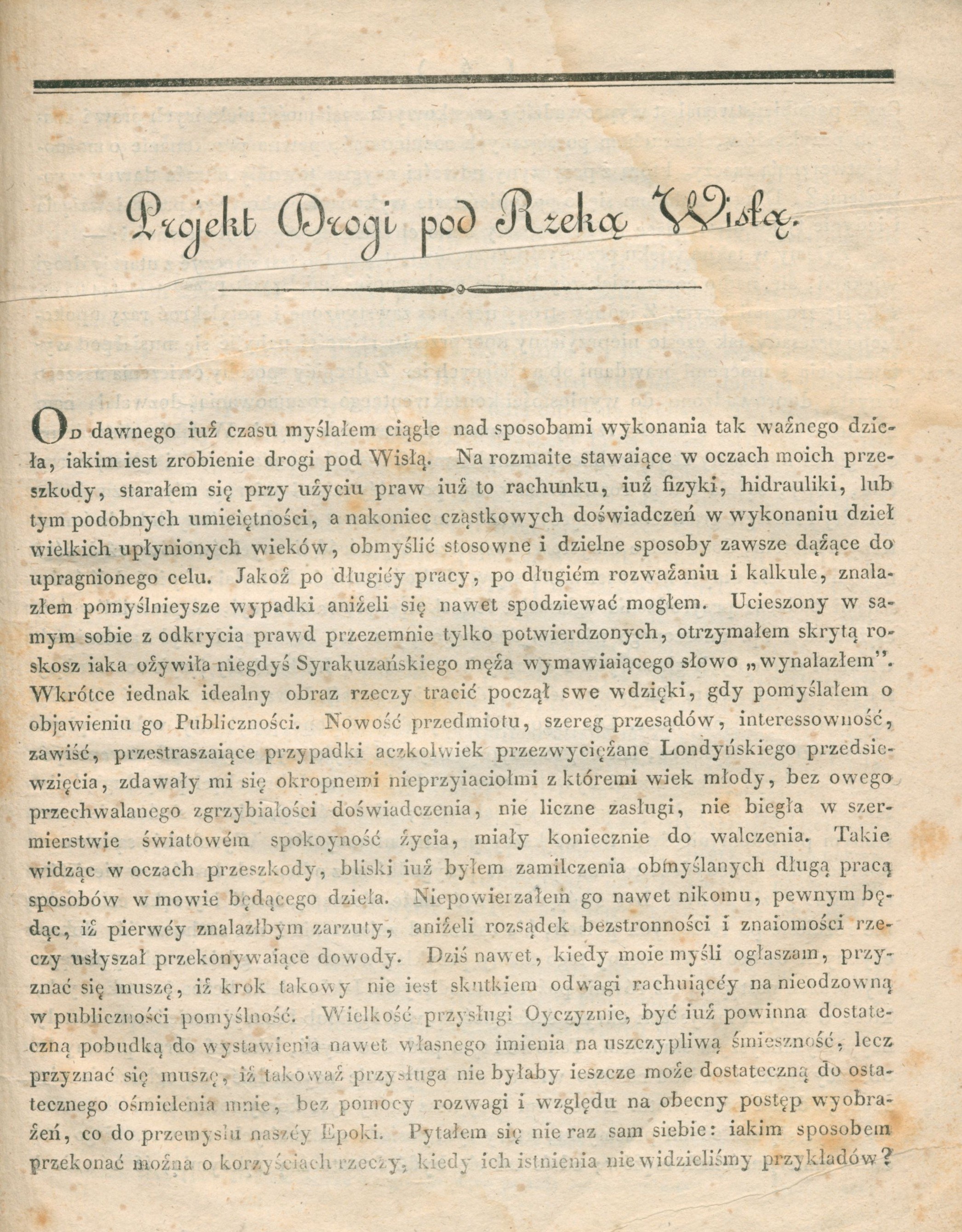
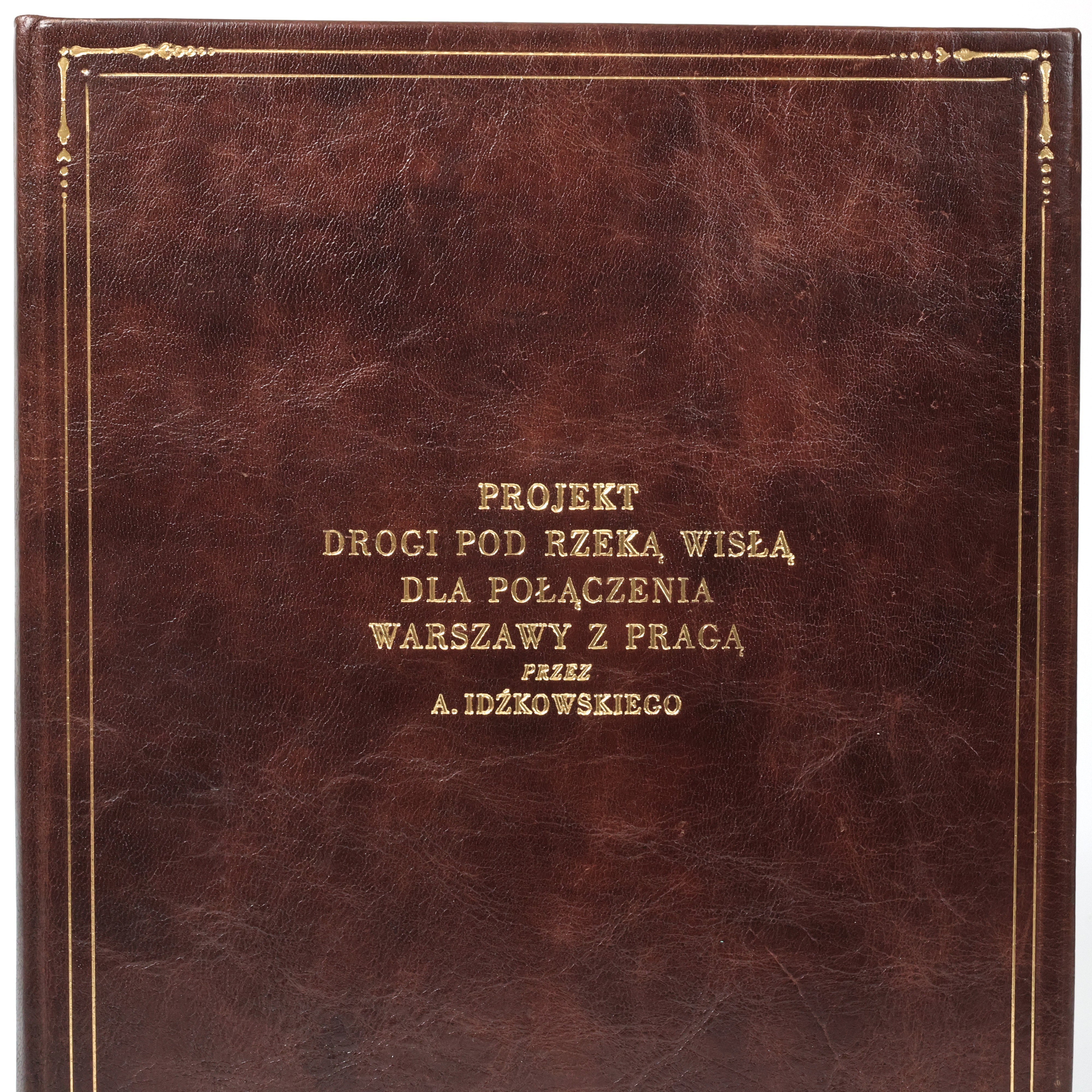

Idzkowski Adam/ Project of a road under the Vistula River to connect Warsaw with Prague/ Warsaw 1828/ Printing House of Lątkiewicz at Ulica Senatorska/ full leather artistic binding/ p.44/ 2 plates with black and white engravings/ good condition, minor yellowing in the text in places, traces of moisture on the side corners of the pages. Very rare.
Publication last appeared at auction 6 years ago
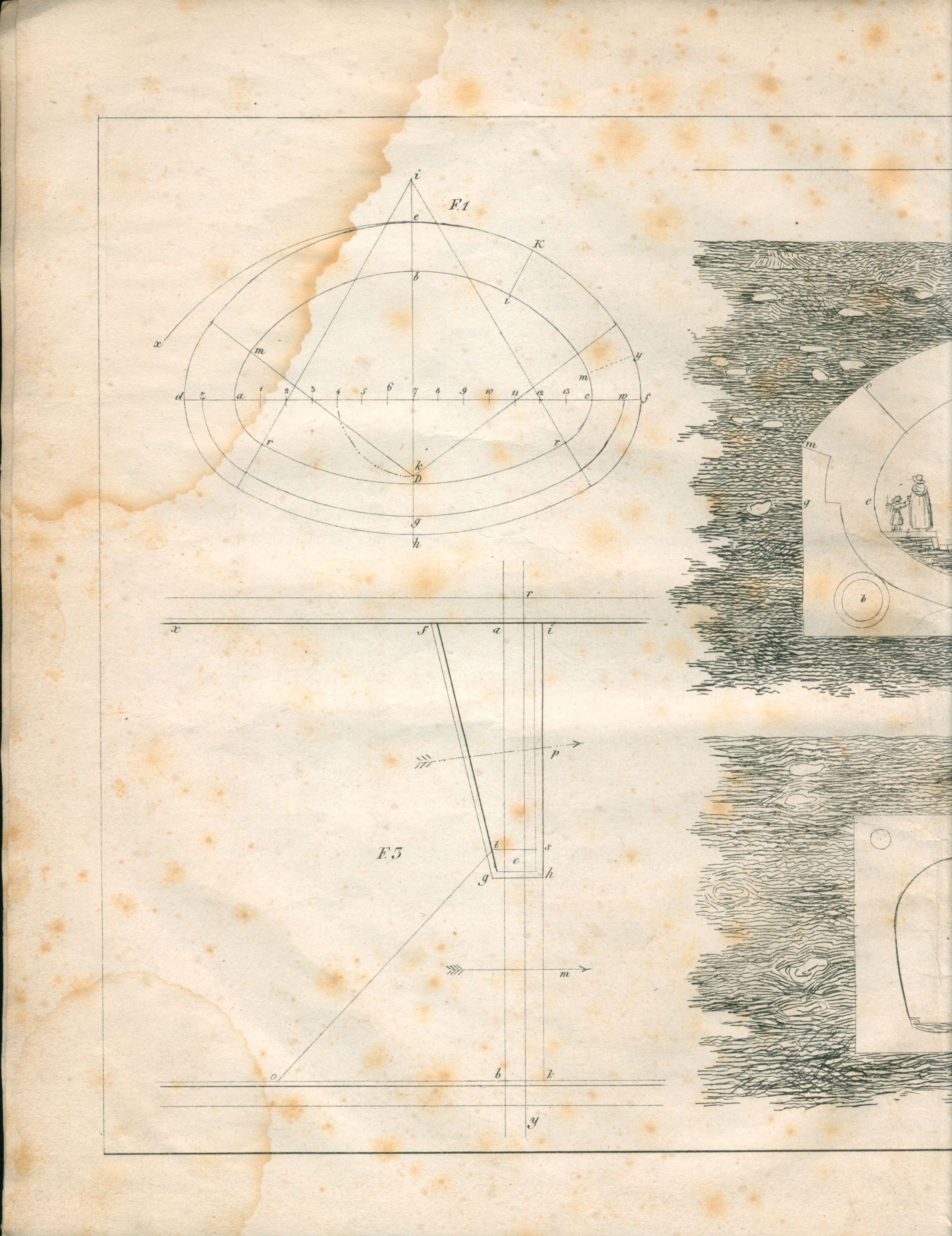
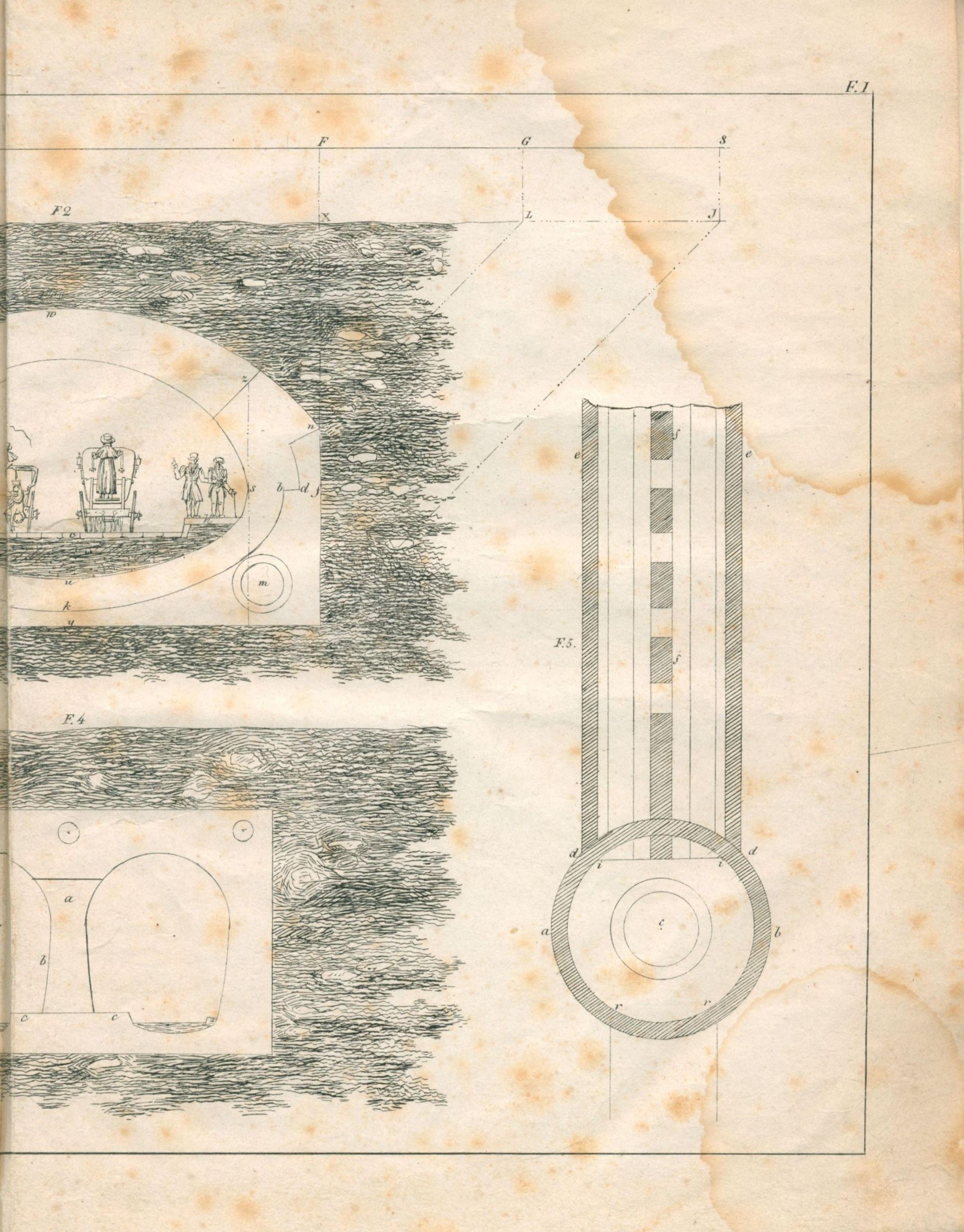
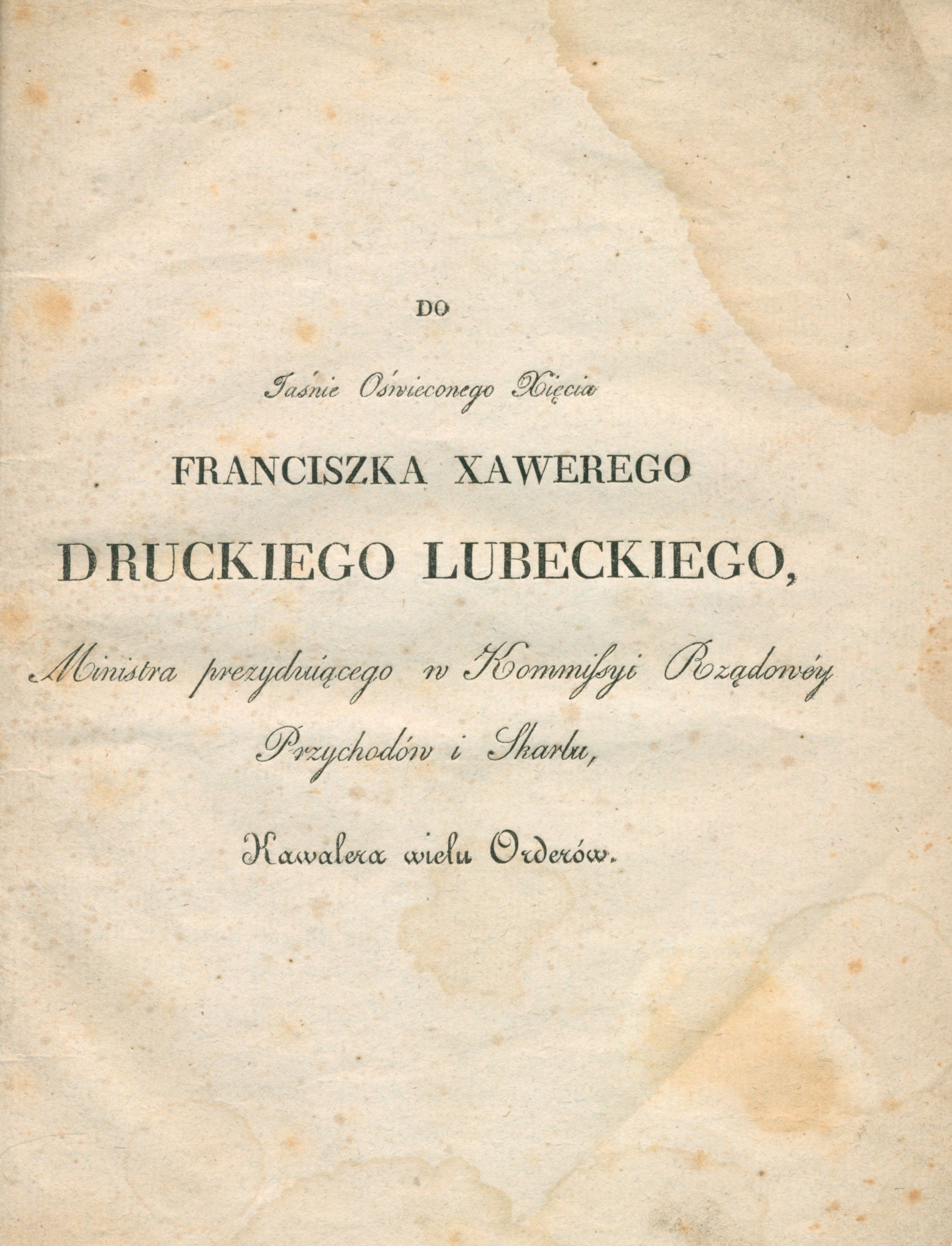
An early, extremely bold - and ultimately unrealized - concept for an underground crossing connecting Warsaw and Praga, developed by 32-year-old architect Adam Idzkowski. The printed brochure was dedicated to Finance Minister Franciszek Ksawery Drucki-Lubecki. The author, inspired, among other things, by accounts of an ancient tunnel under the Euphrates River and, above all, by considerations of a passage under the Thames in London (1795-1825), proposed a solution adapted to Warsaw's geological conditions; with the sandy bottom of the Vistula River, the tunnel was to be given an elliptical cross-section, with a circular vaulted bottom and top, which would ensure the durability of the structure and eliminate the need for pillars.
Idzkowski presented the tunnel as an alternative to the bridge, emphasizing: much lower cost (about 3 million zlotys instead of 30 million), greater durability, no collision with navigation, military advantages (greater resistance to bombardment, possibility of rapid flooding and pumping out), and no interference with the river and city landscape. The project was technically refined: the width of the road was 35 feet (roadway 22, sidewalk 6), the vault at its thinnest point was 5 feet, the insulating layer of earth over the vault was 8 feet, the length of the excavation was 2280 feet; a huge material input was envisaged(18,376,000 bricks, 119,635 barks of cement), lighting with gas lamps, and exits in the form of towers with spiral roadways with a gradient of about 8%. Assumed completion time: 2 years.
Reception, however, was cool: engineering circles received the project skeptically, pointing out numerous errors, especially in the section on construction technique; reviews make harsh judgments about the lack of basis and unfeasibility of the intention. Despite the criticism, Idzkowski's print remains today an excellent testimony to the technical imagination of the era, and one of the most fraught "Warsaw projects that could have changed the city," before modern tunnel engineering was even developed.
Interested in artistic fixtures? Click here ⮕ OPTIONS