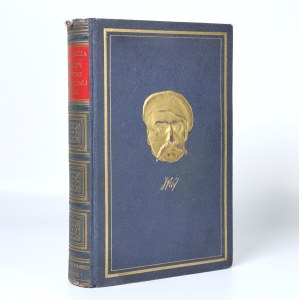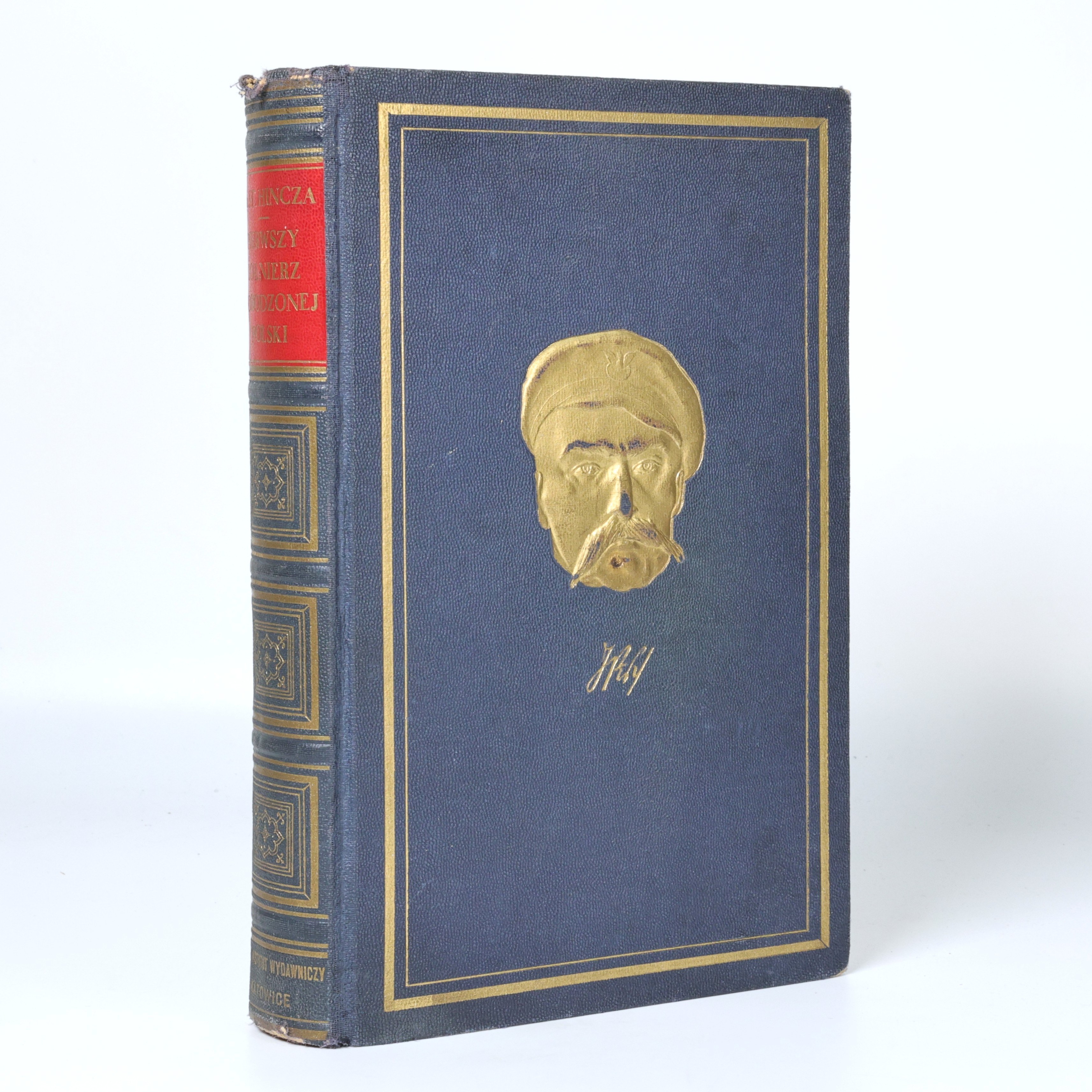
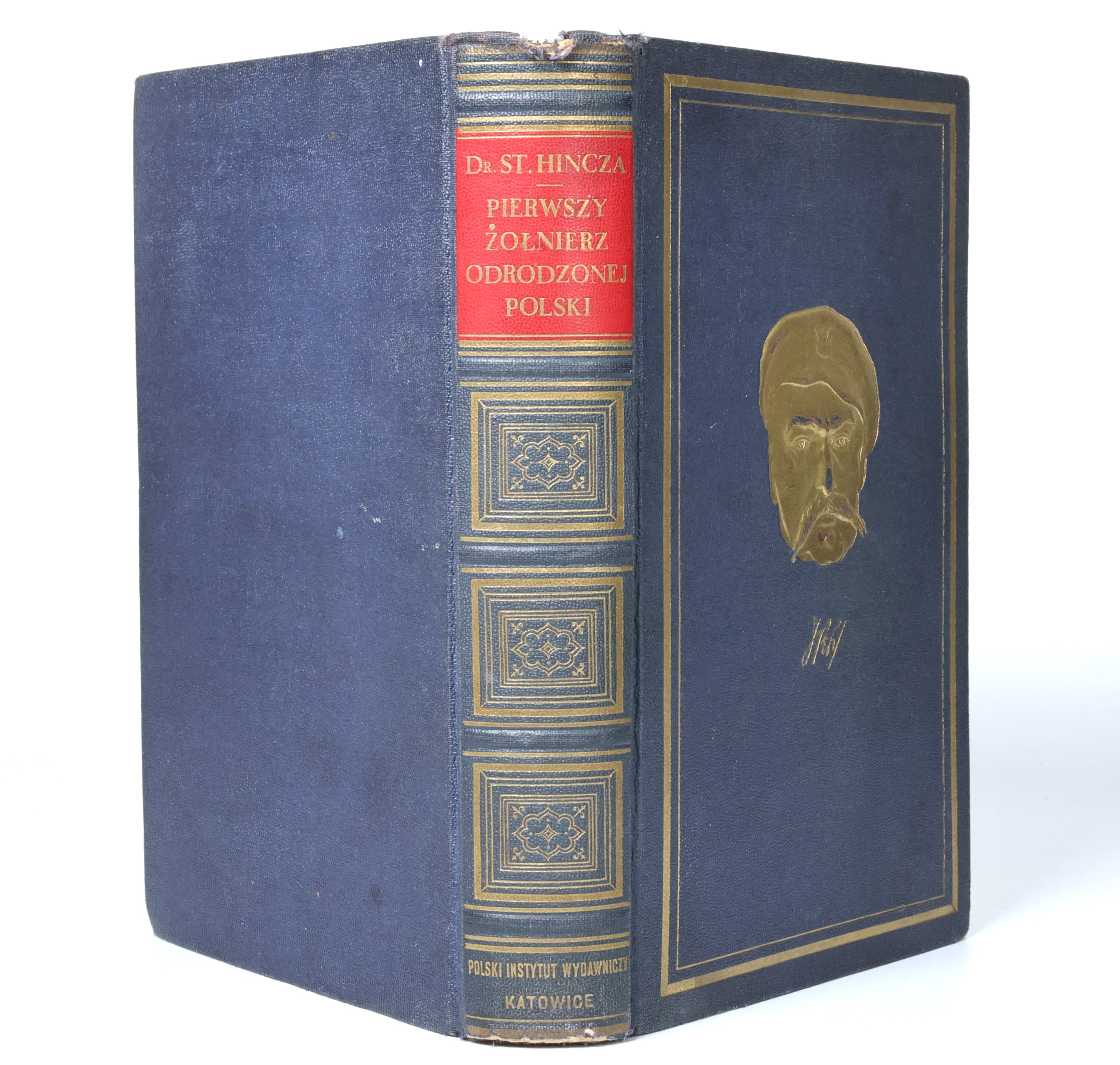
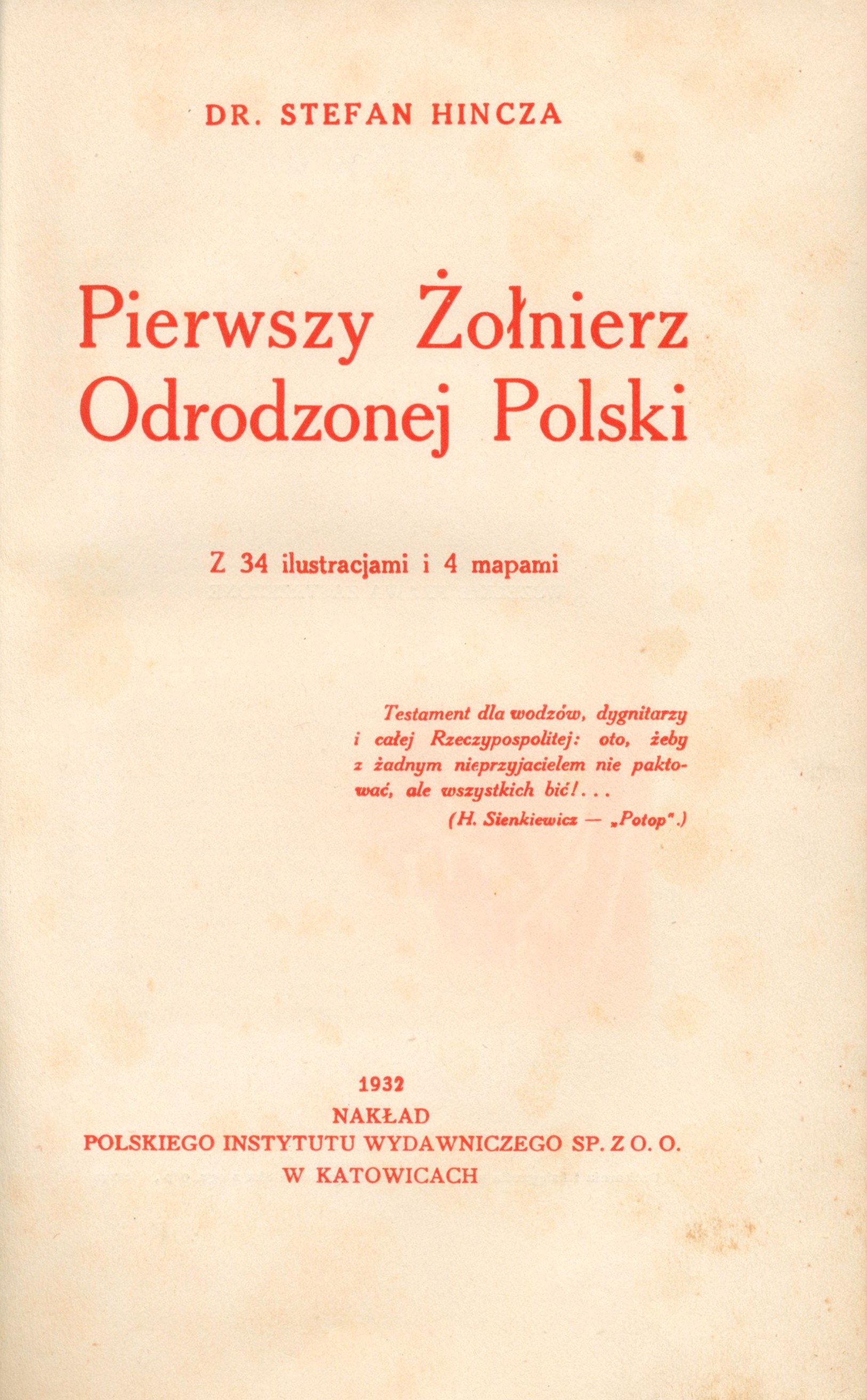
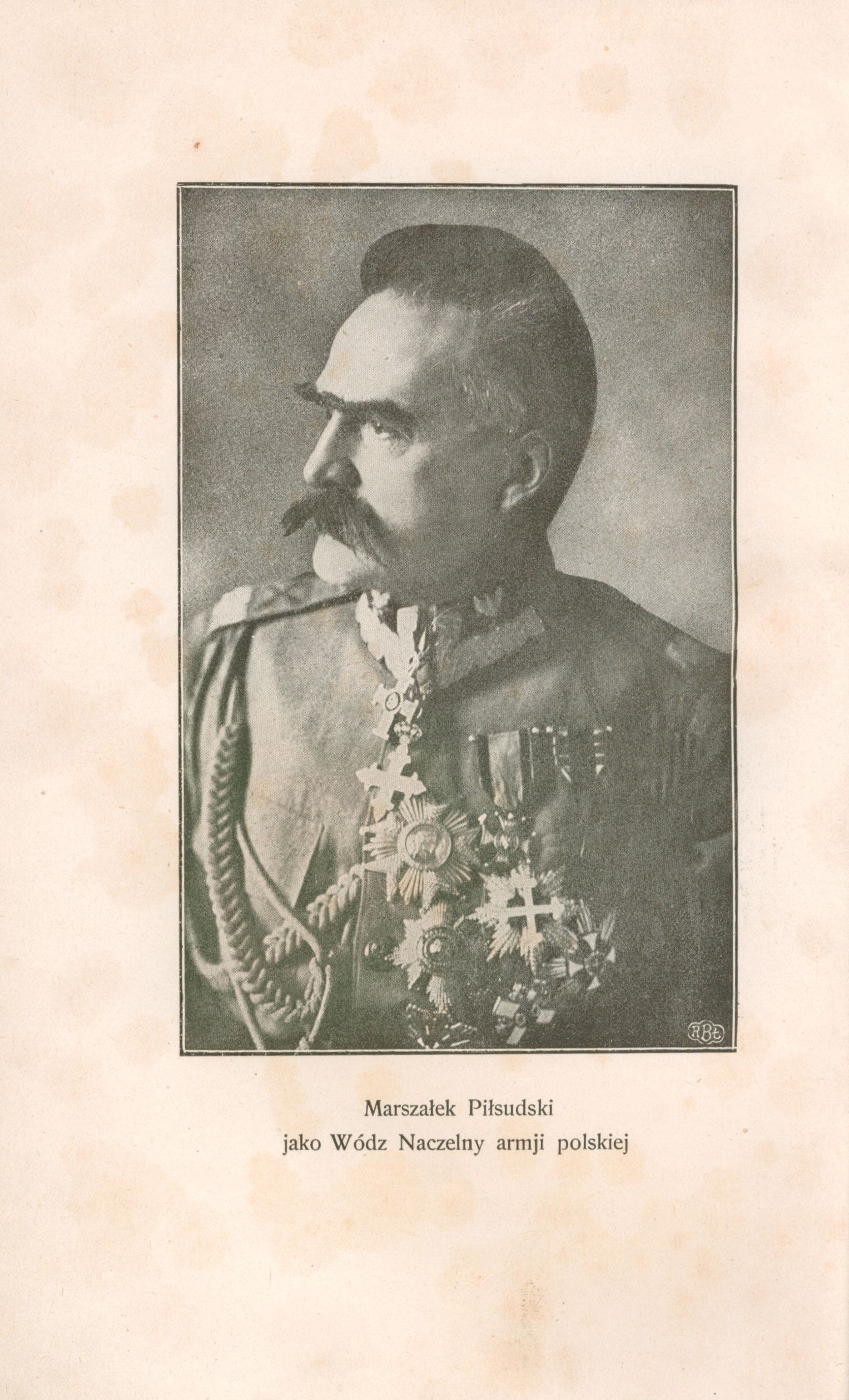
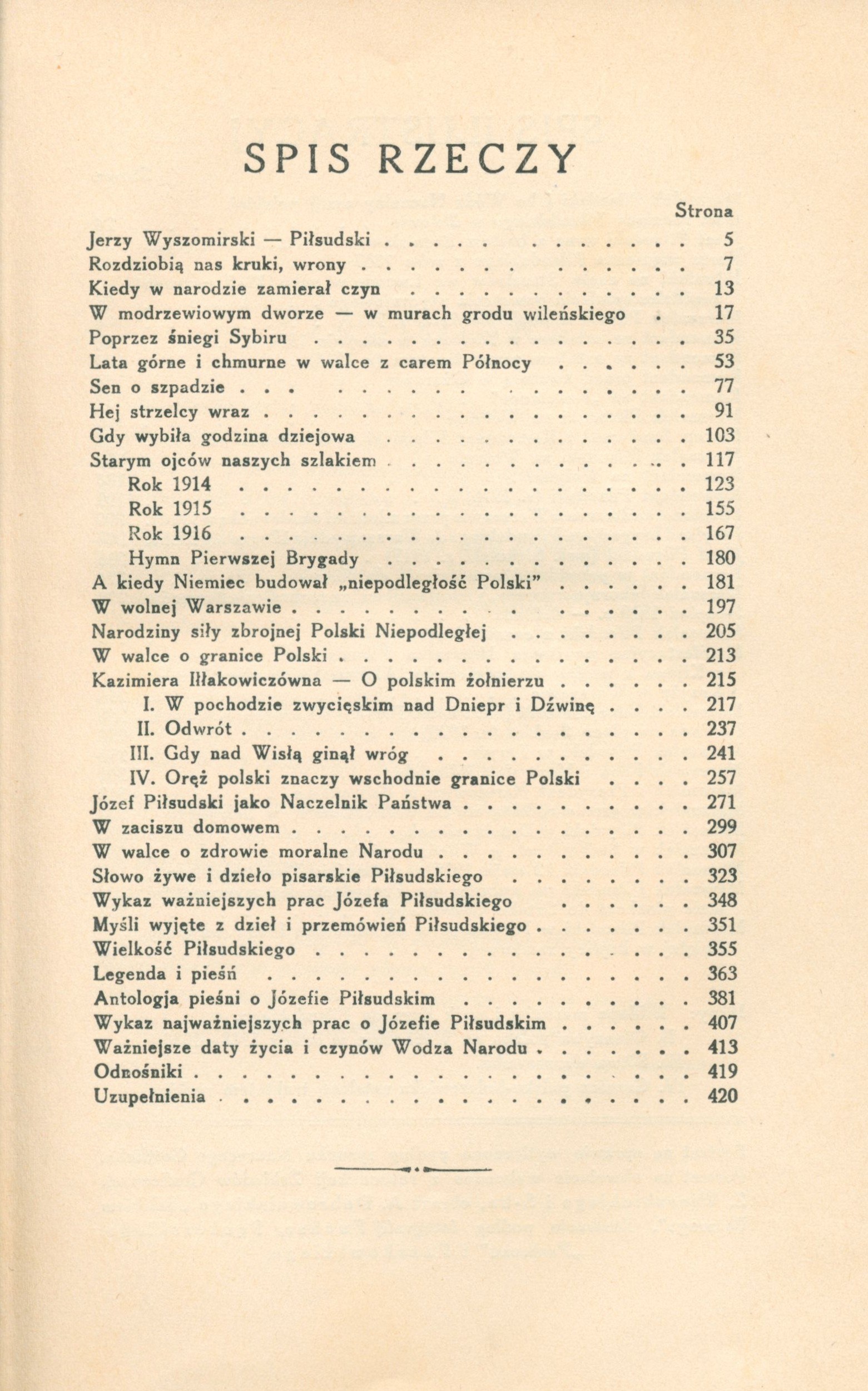
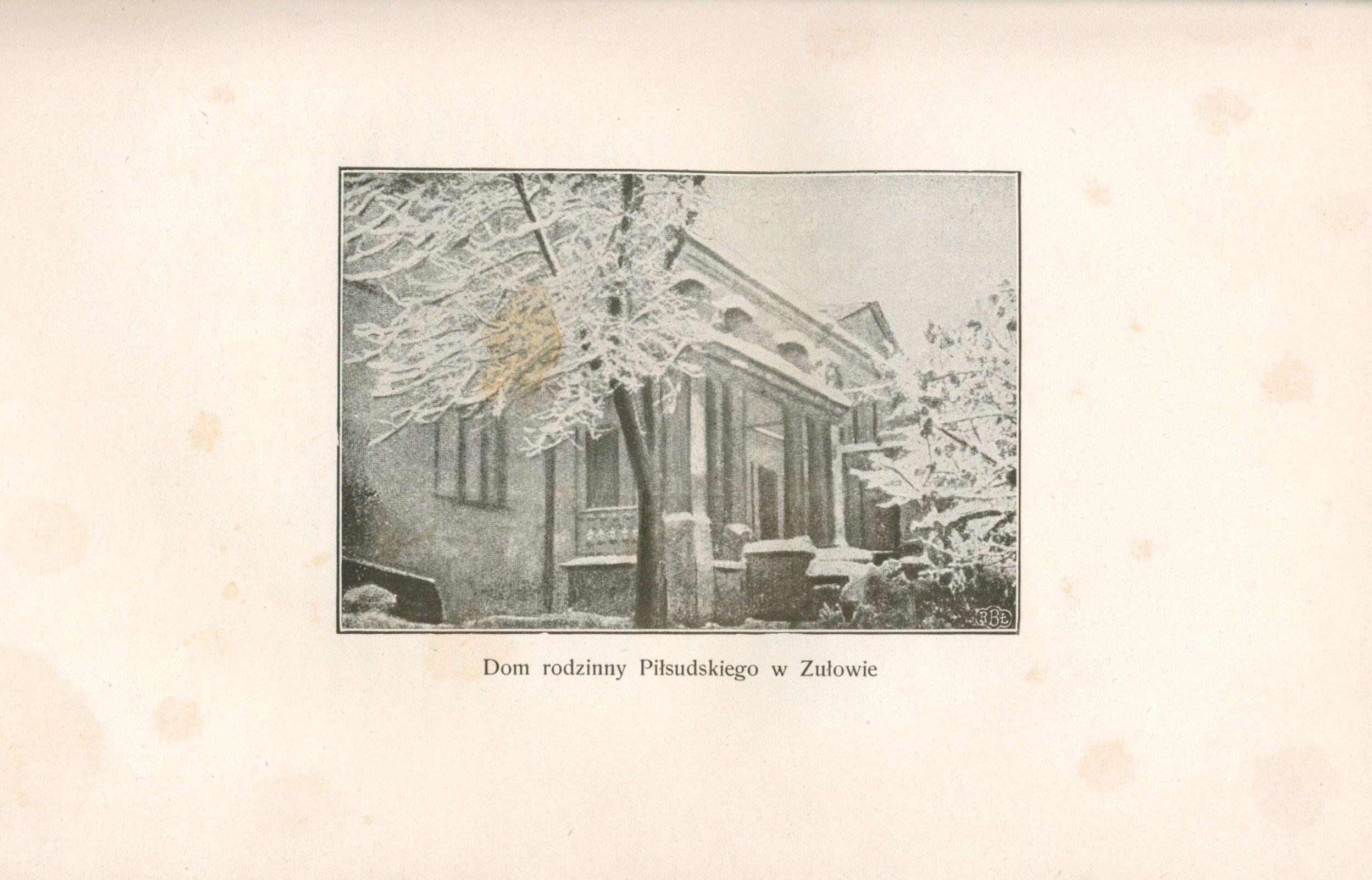
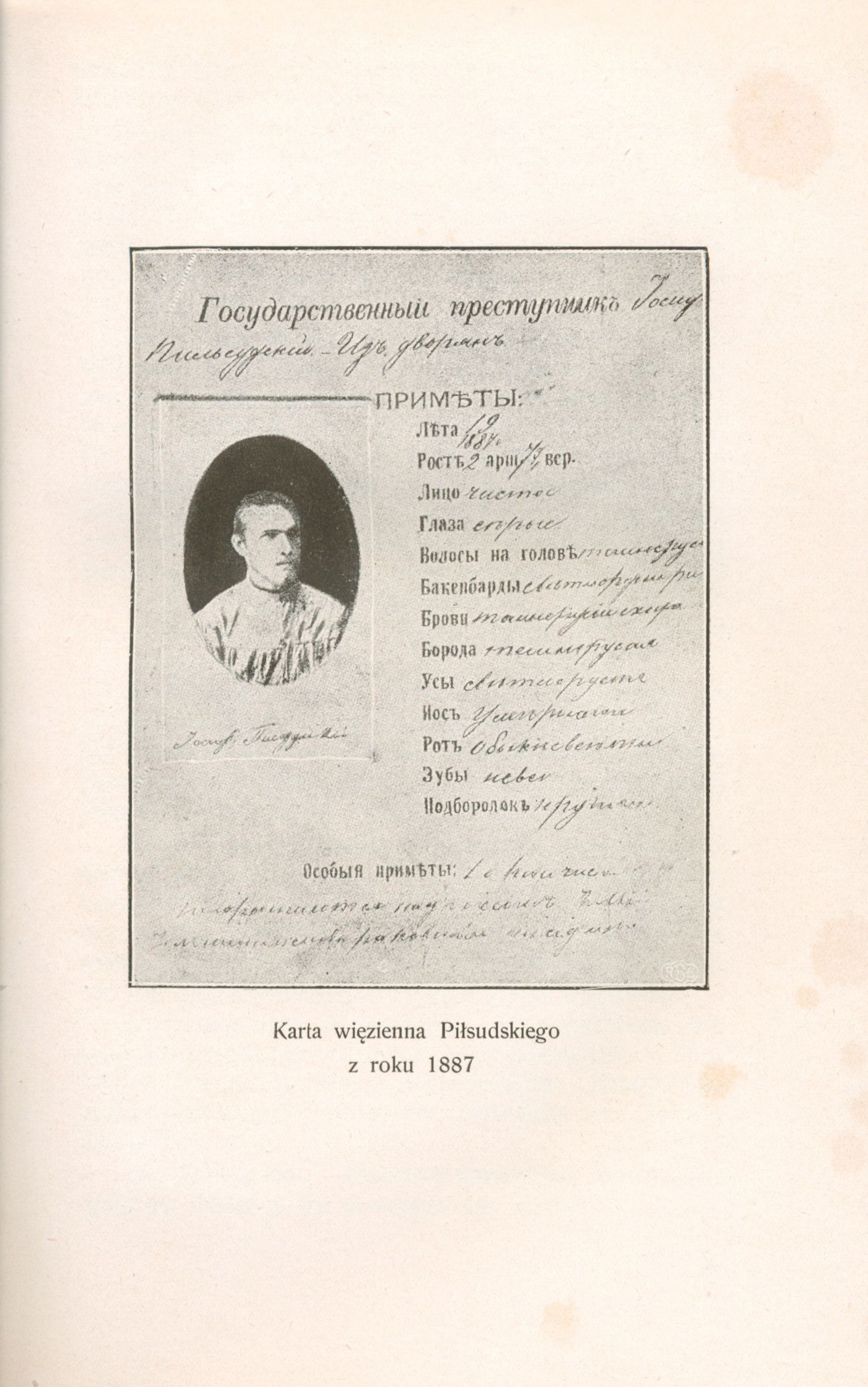
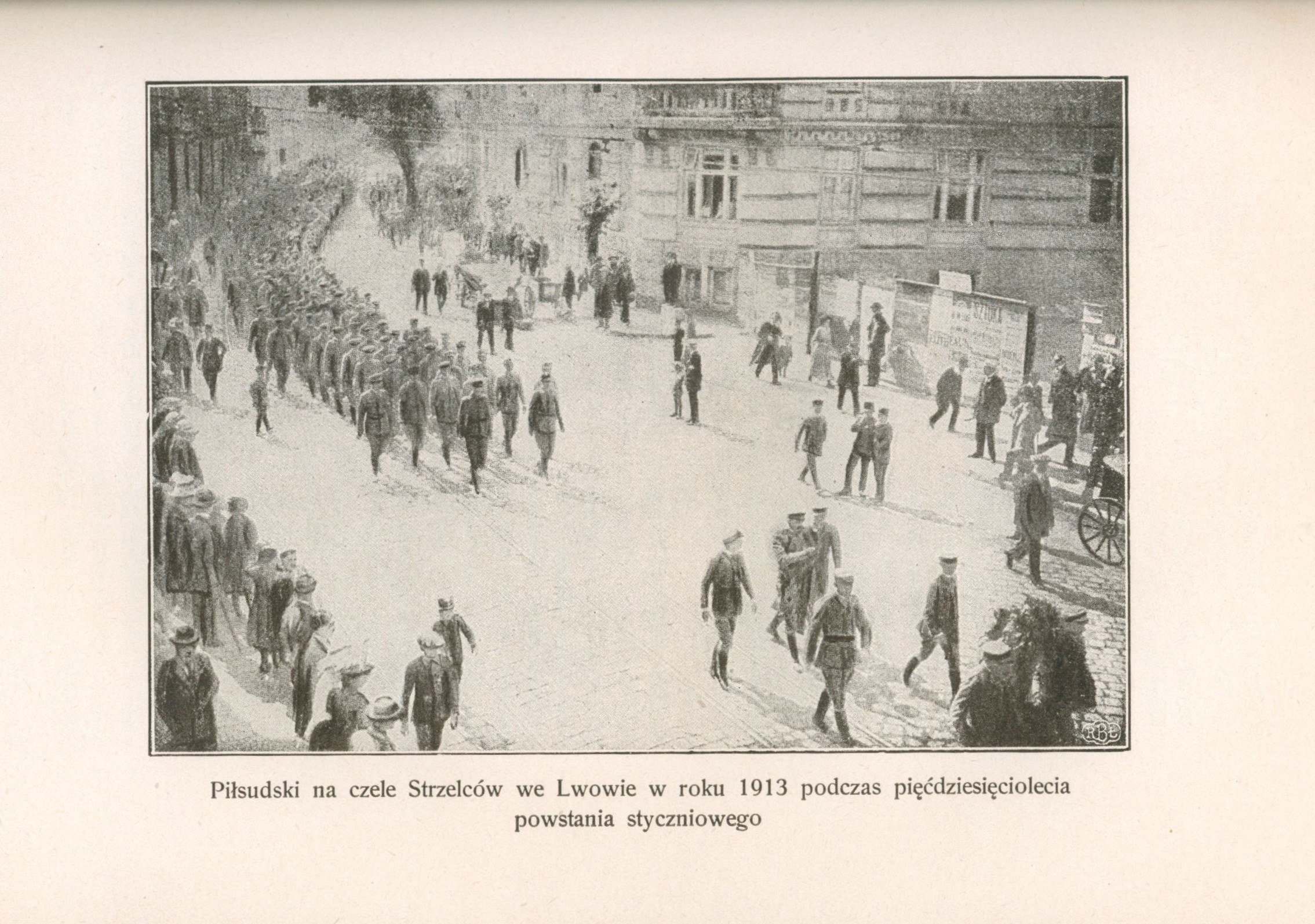
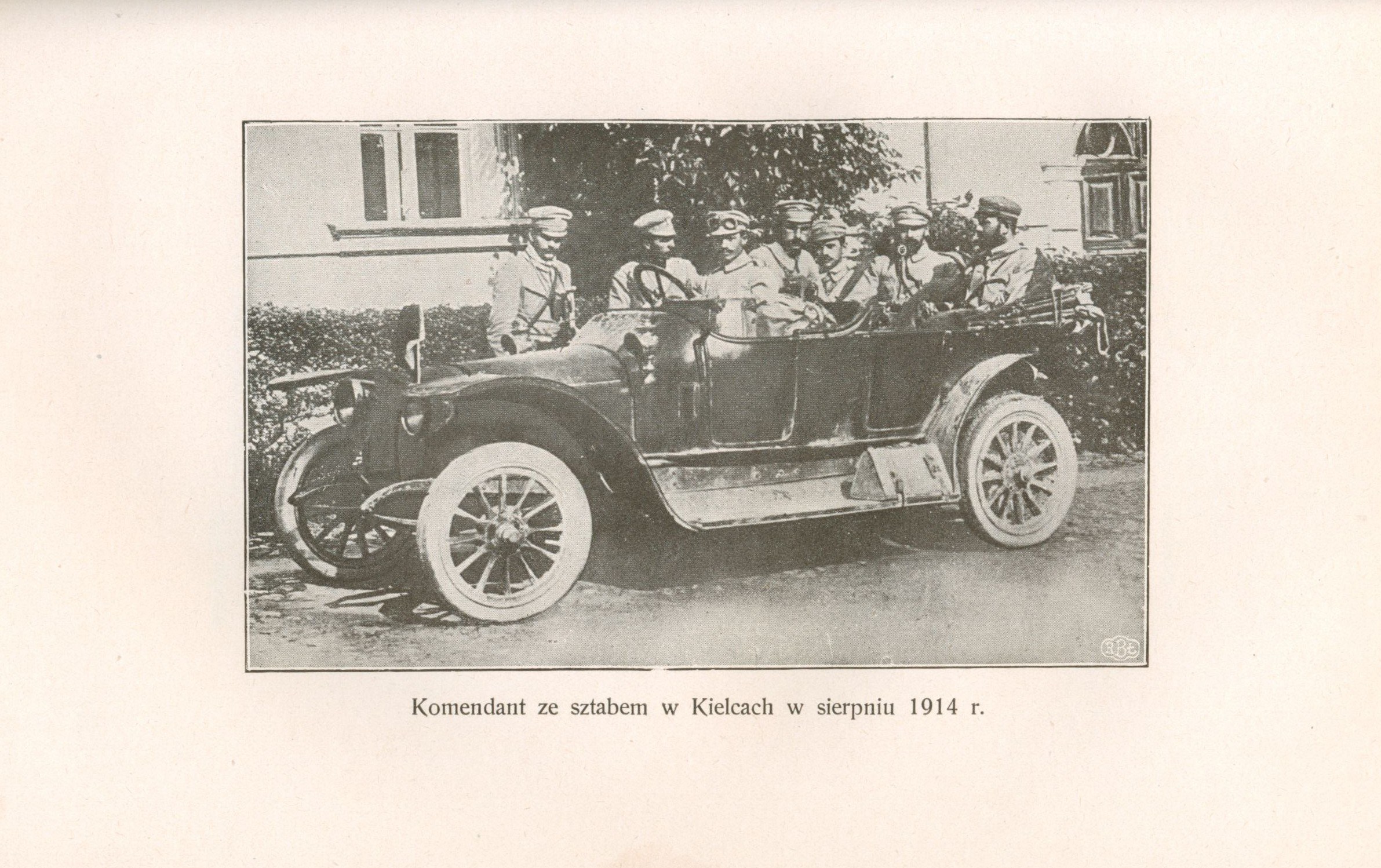
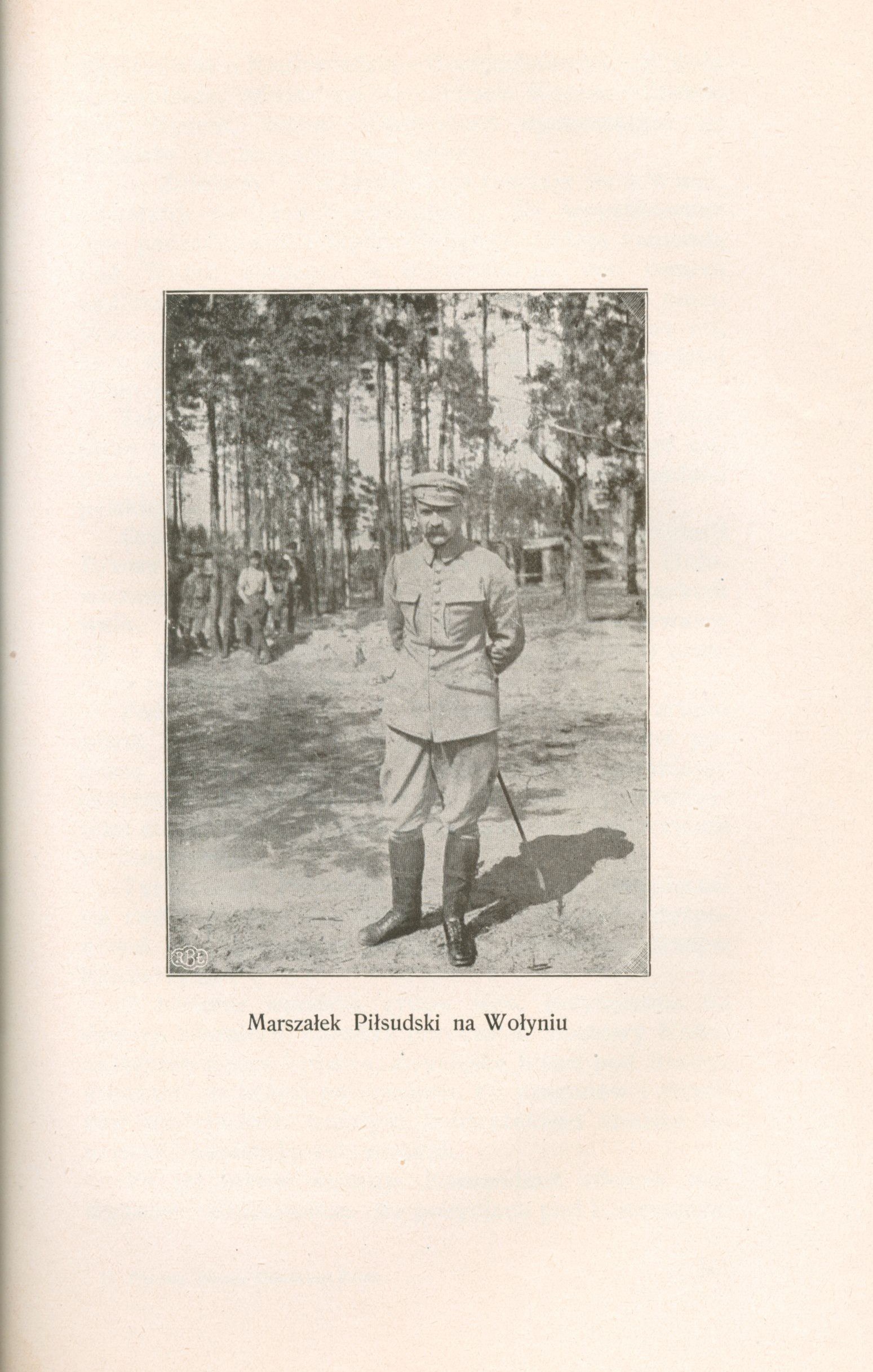
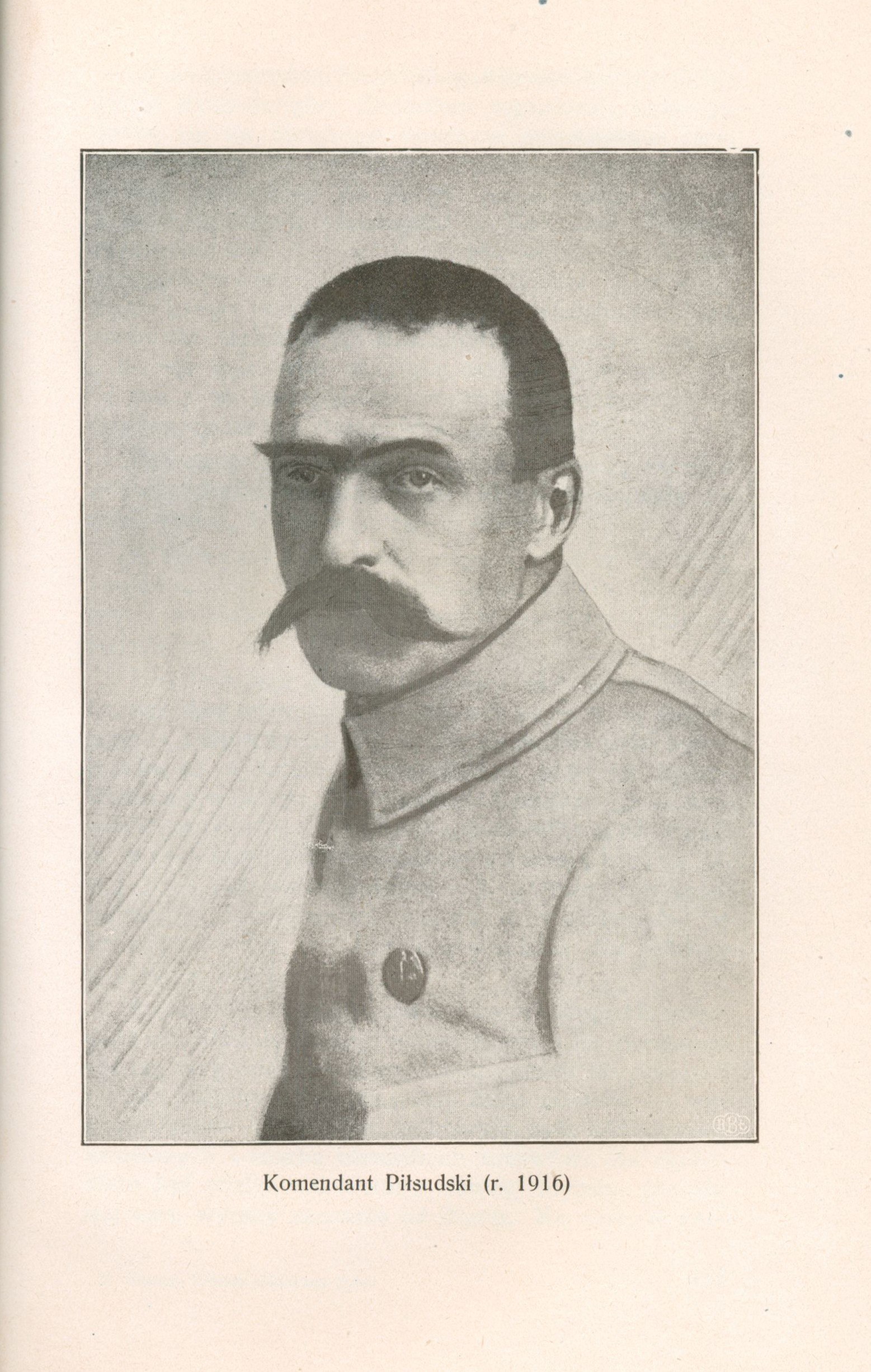
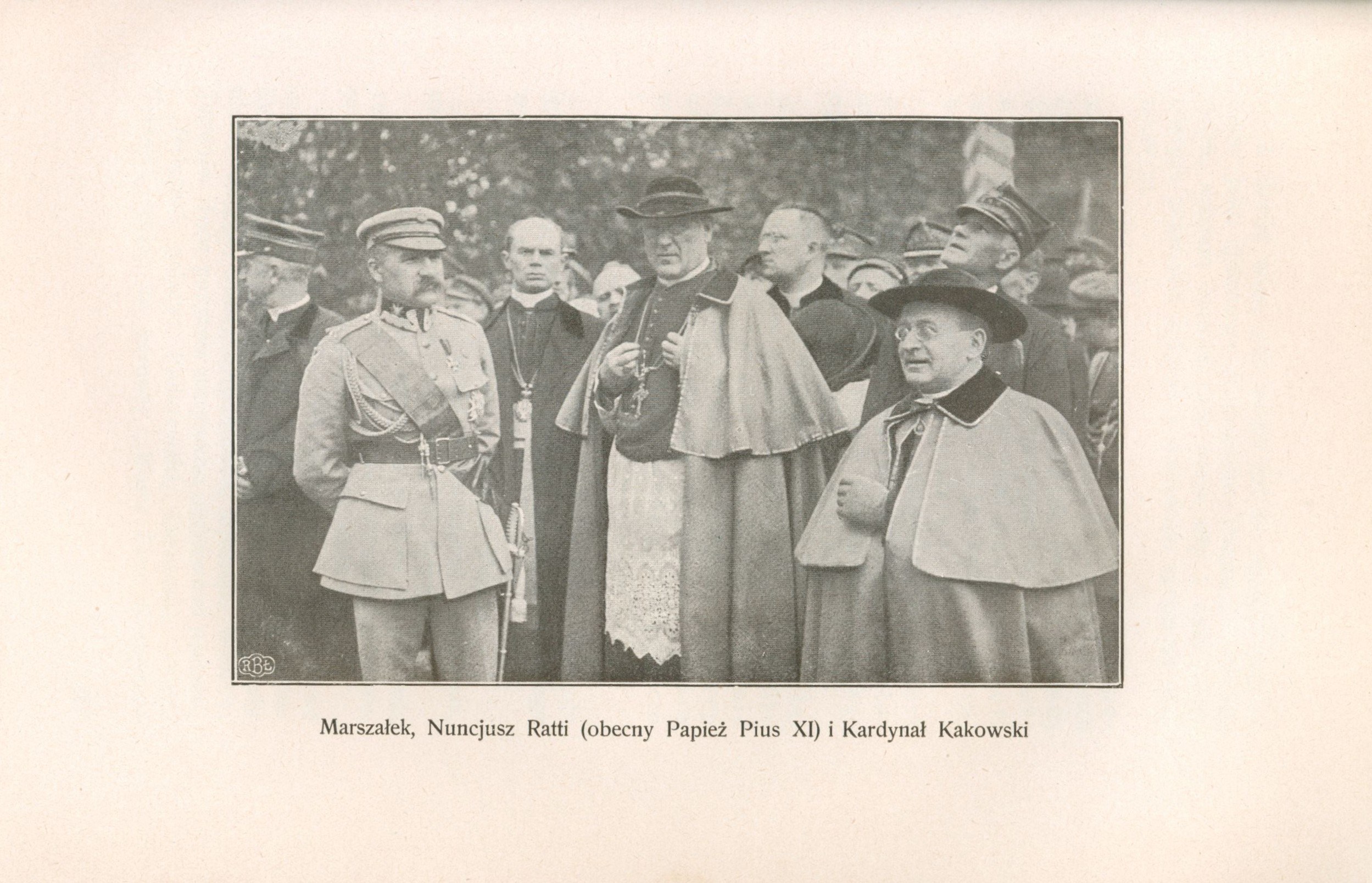
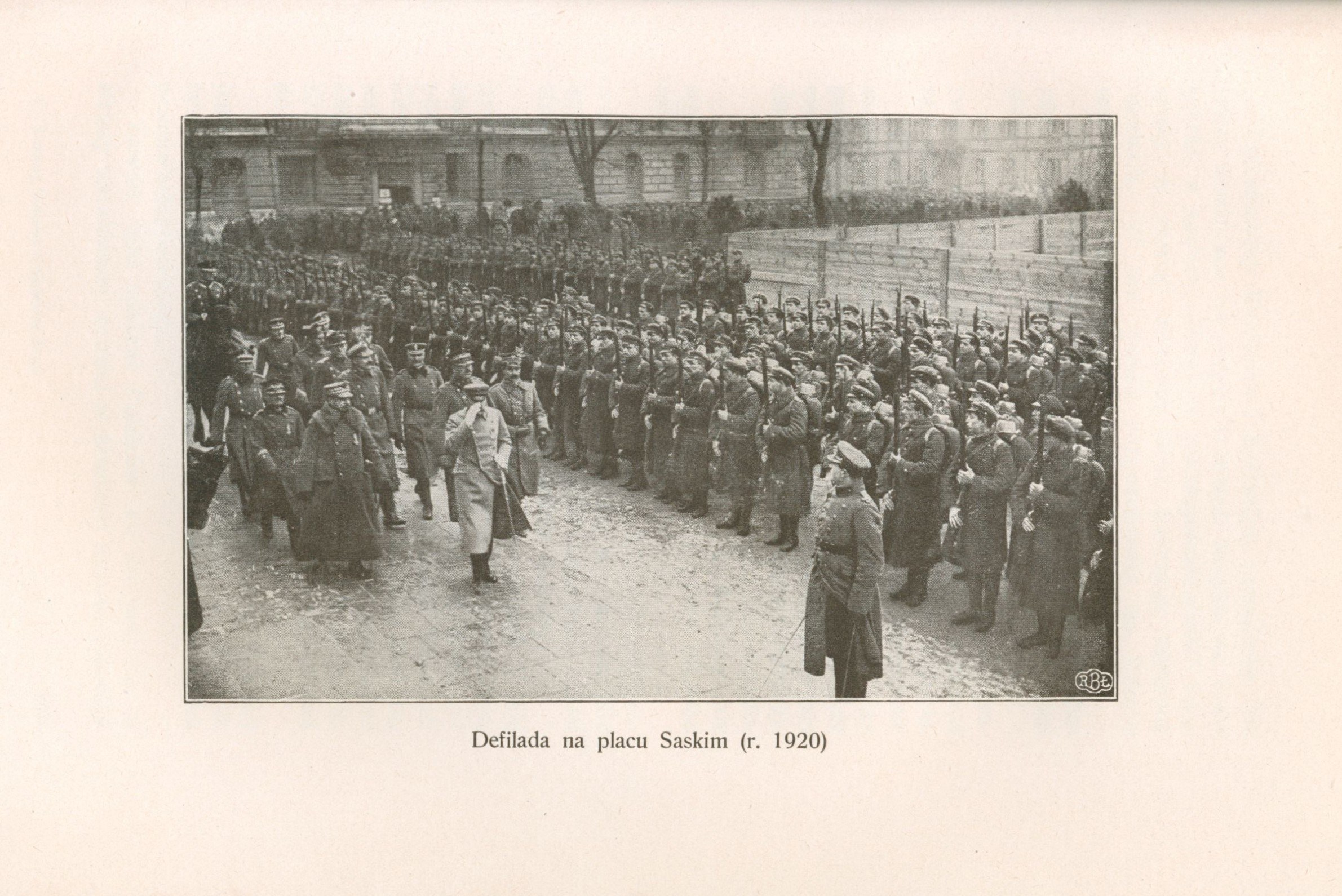
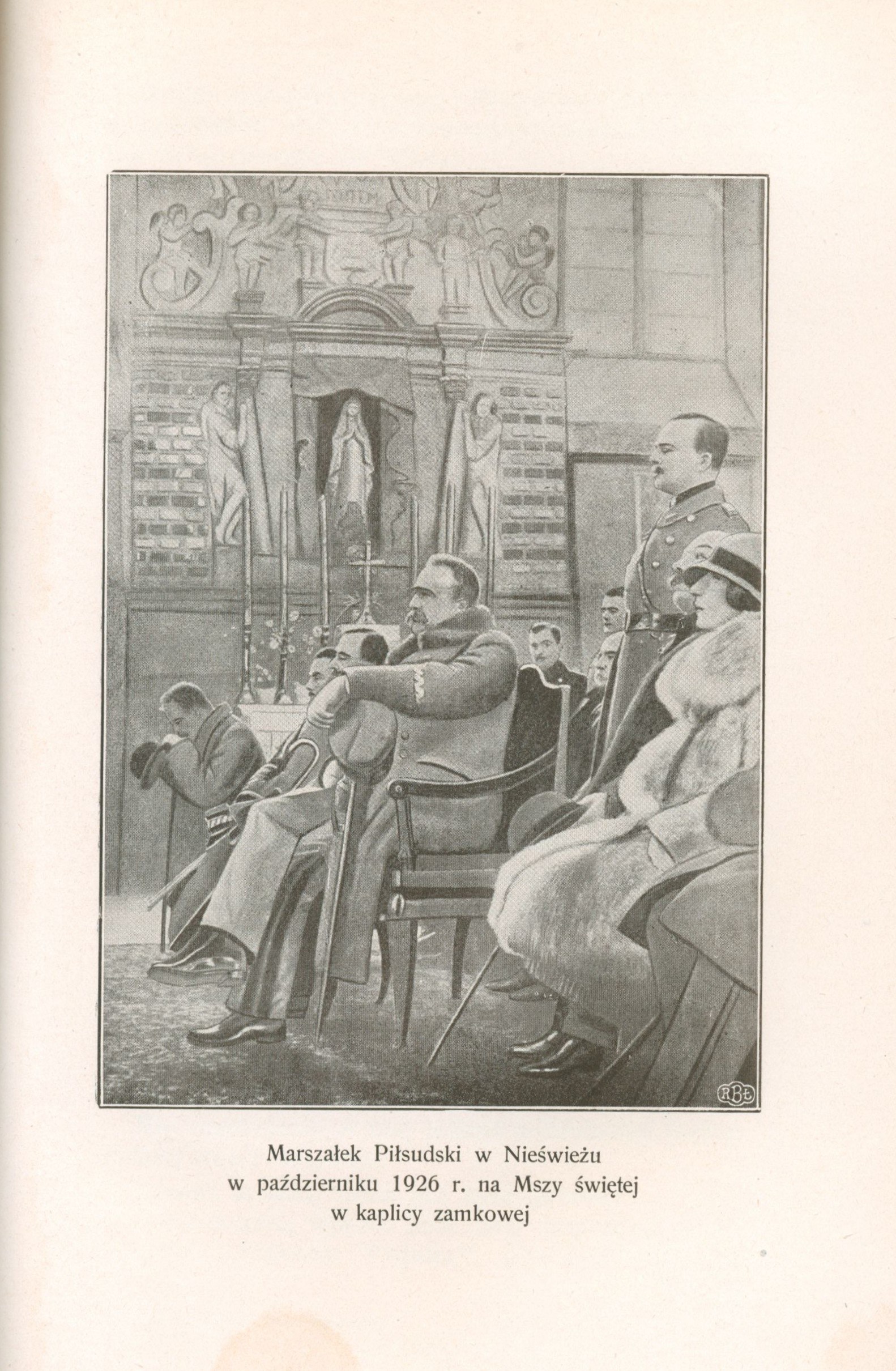

Stolarzewicz Ludwik [pseud.Hincza Stefan]/ Pierwszy Żołnierz Odrodzonej Polski. With 34 illustrations and 4 maps/ Łódź - Katowice 1932/ Published by Ludwik Fiszer's Bookstore/ p.424/ Pilsudski's portrait on the frontispiece, numerous illustrations in the text, maps as appendices/ very good condition-, minor rubbing of the Marshal's nose and eyebrows, edge rubbing, small tear on the spine of the canvas, minor yellowing (foxing) in places in the text.
Publisher's binding:decorated canvas; embossed and gilded bust of Marshal Jozef Pilsudski designed by Gottlieb on front cover, gilded facsimile signature underneath, the whole closed with gilded bordure; spine with gilded title and ornament; upper edge of pages stained.The edition is one of the examples of Polish serial relief binding.
Relief binding(relievo) - binding withrelief embossed decoration ( relievo bindings, German. Lederplastik, profiliert, fr. reliures en relief).
Brief history. The technique of "cardboard carving" was developed between 1846 and 1850 thanks to Frederick Leake (1842 patent for leather panels). The first bindings, referring to the Middle Ages, were shown at the Great Exhibition in London in 1851 (medal award). Popular in publishing bindings and haberdashery until the first years after World War I.
How it was made. A leather or canvas utility, backed with thin cardboard, was stamped in a die with an intaglio drawing; the resulting cavities were filled with gypsum paste with additives (sawdust, had cardboard), secured and stamped again until dry. Alternatively, previously imprinted gypsum pieces were glued between cardboard and leather for stronger relief. A second cardboard was glued on the underside for alignment; for larger formats, overlay covers were used. A matrix-pattern (dry-erase) set was used less often due to cost.
In Poland. From the 1870s as "embossed posters". Warsaw: plants at the printing houses of S. Orgelbrand and J. Ungra, binderies of A. Kantor, J. Puget, J. Gelbard; Lviv: L. Wierzbicki; Krakow: R. Jahoda, K. Wójcik. In the 1890s and early 20th century, the technique was widely used in publication bindings and photo albums.
Footnote: Lexicon of binding, edited by Arkadiusz Wagner, Elżbieta Pokorzyńska.
Interested in art binding? Click here ⮕ Binding