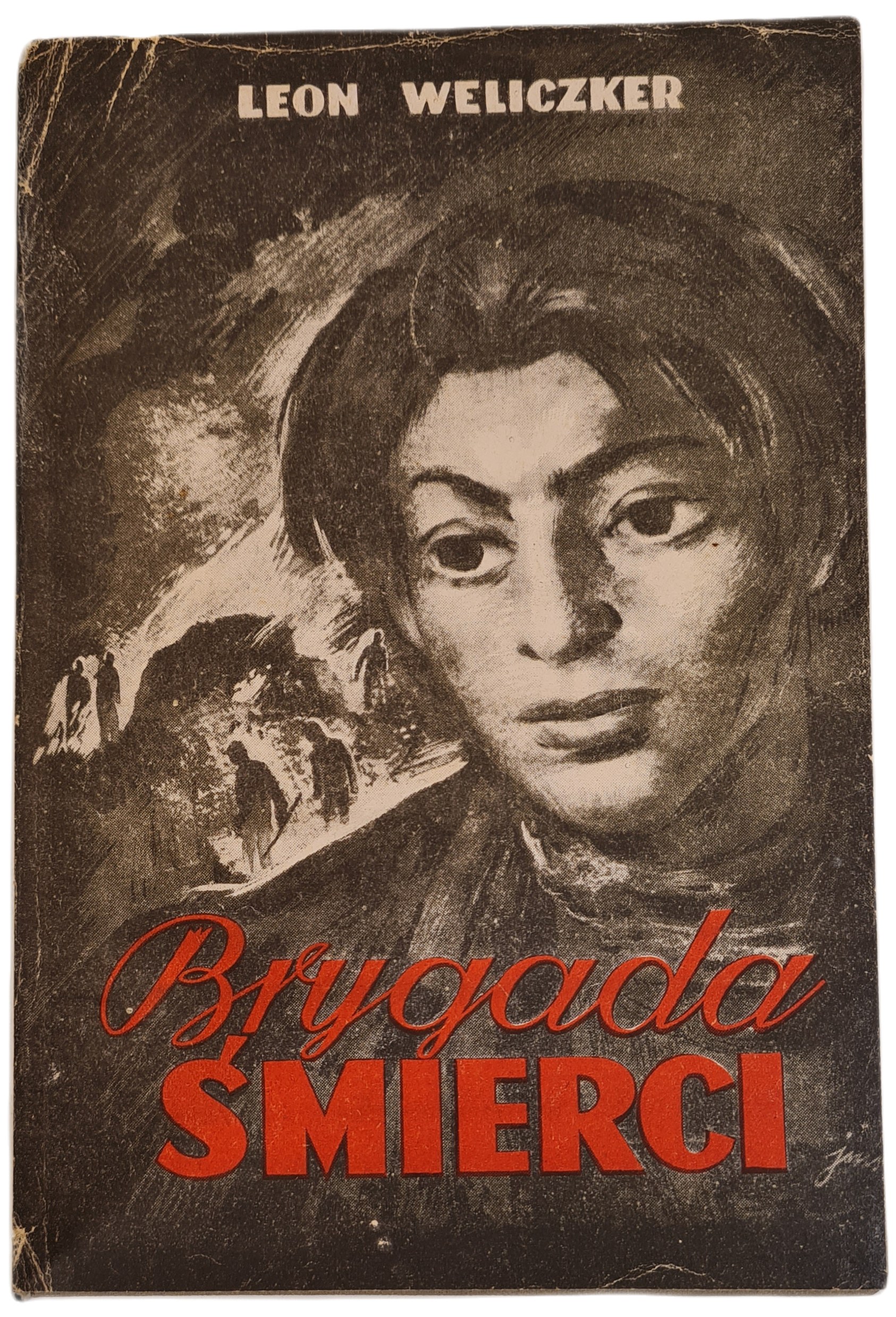
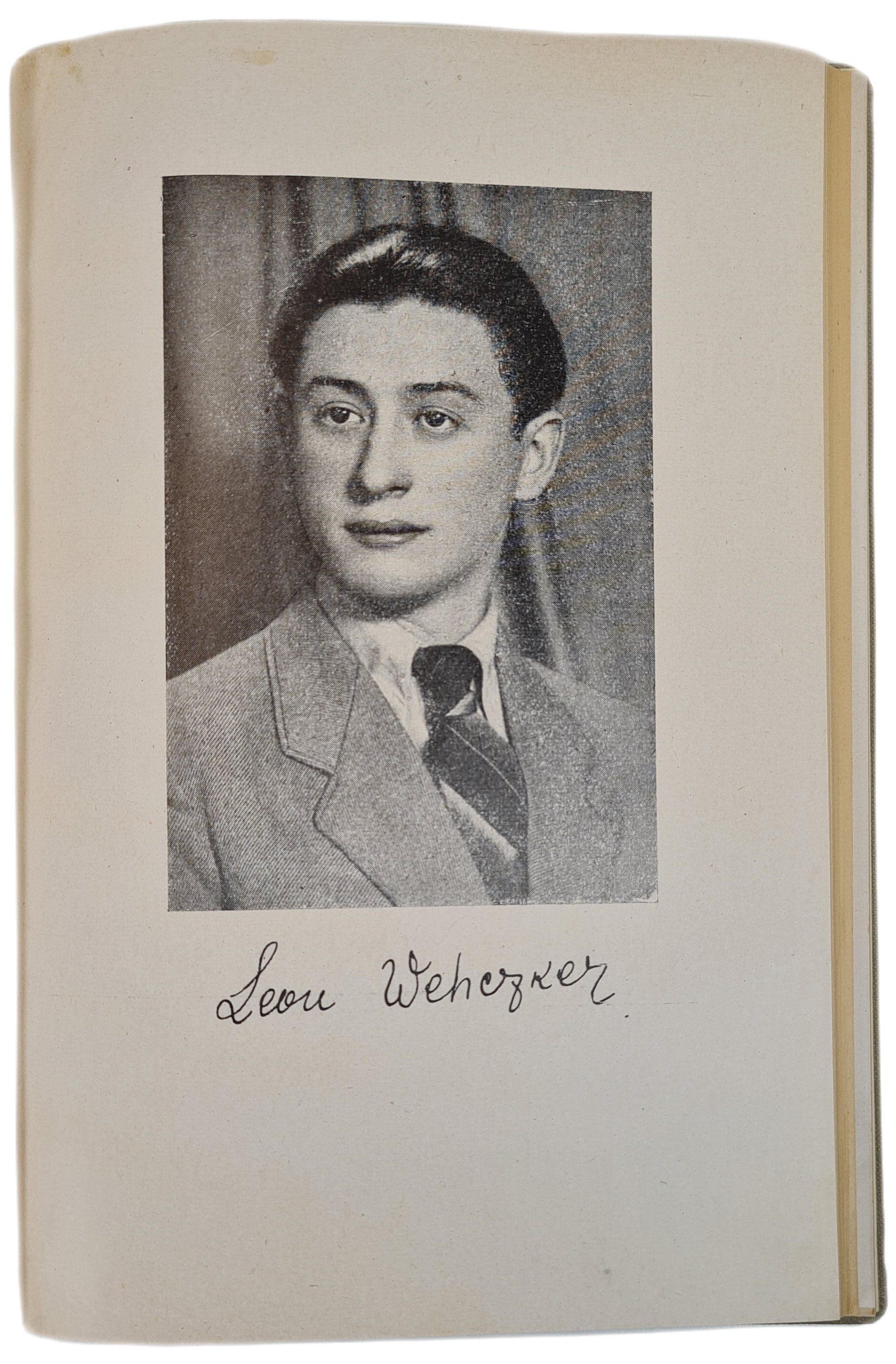
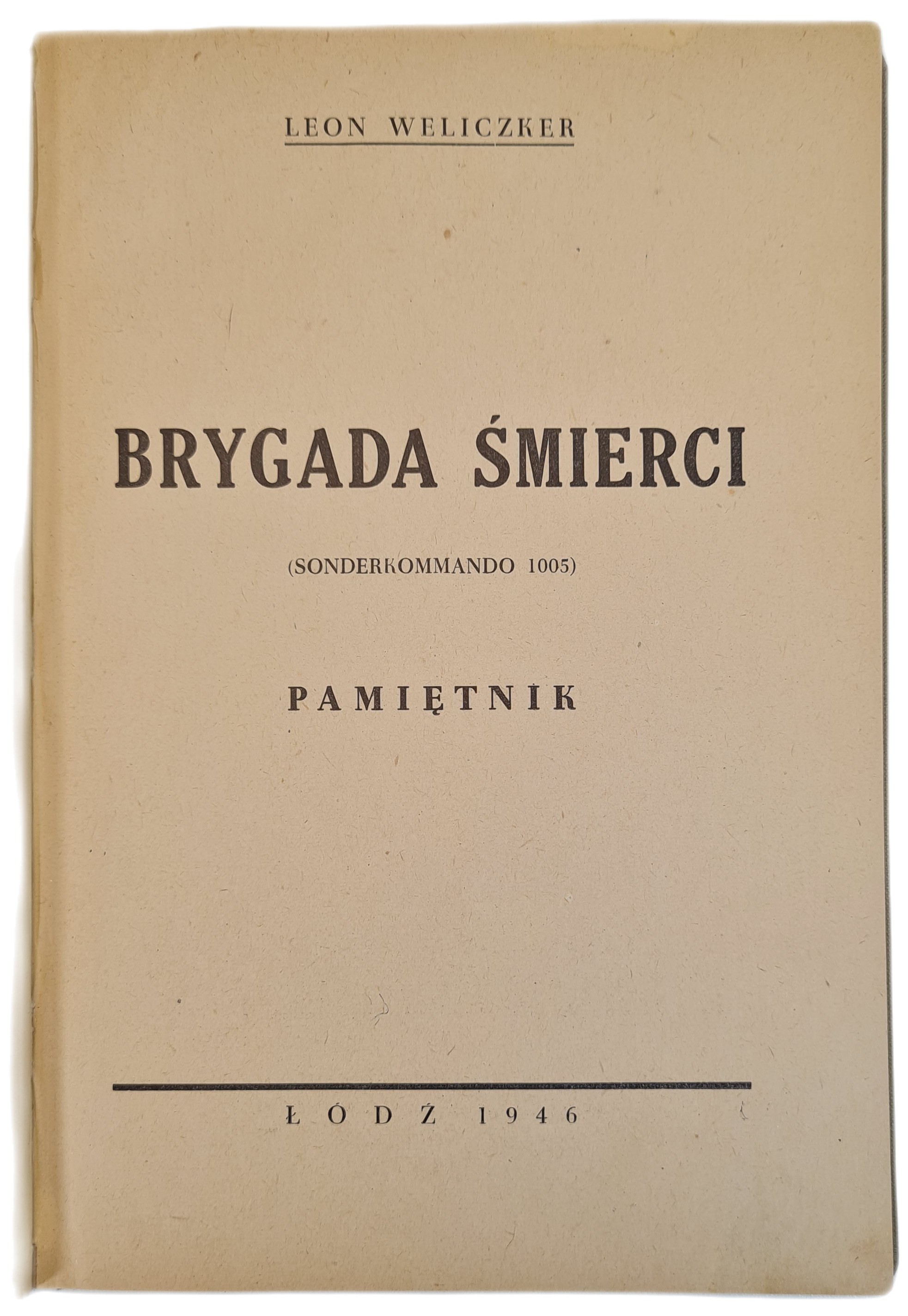
WELICZKER Leon - DEATH BRIGADE Memoir.
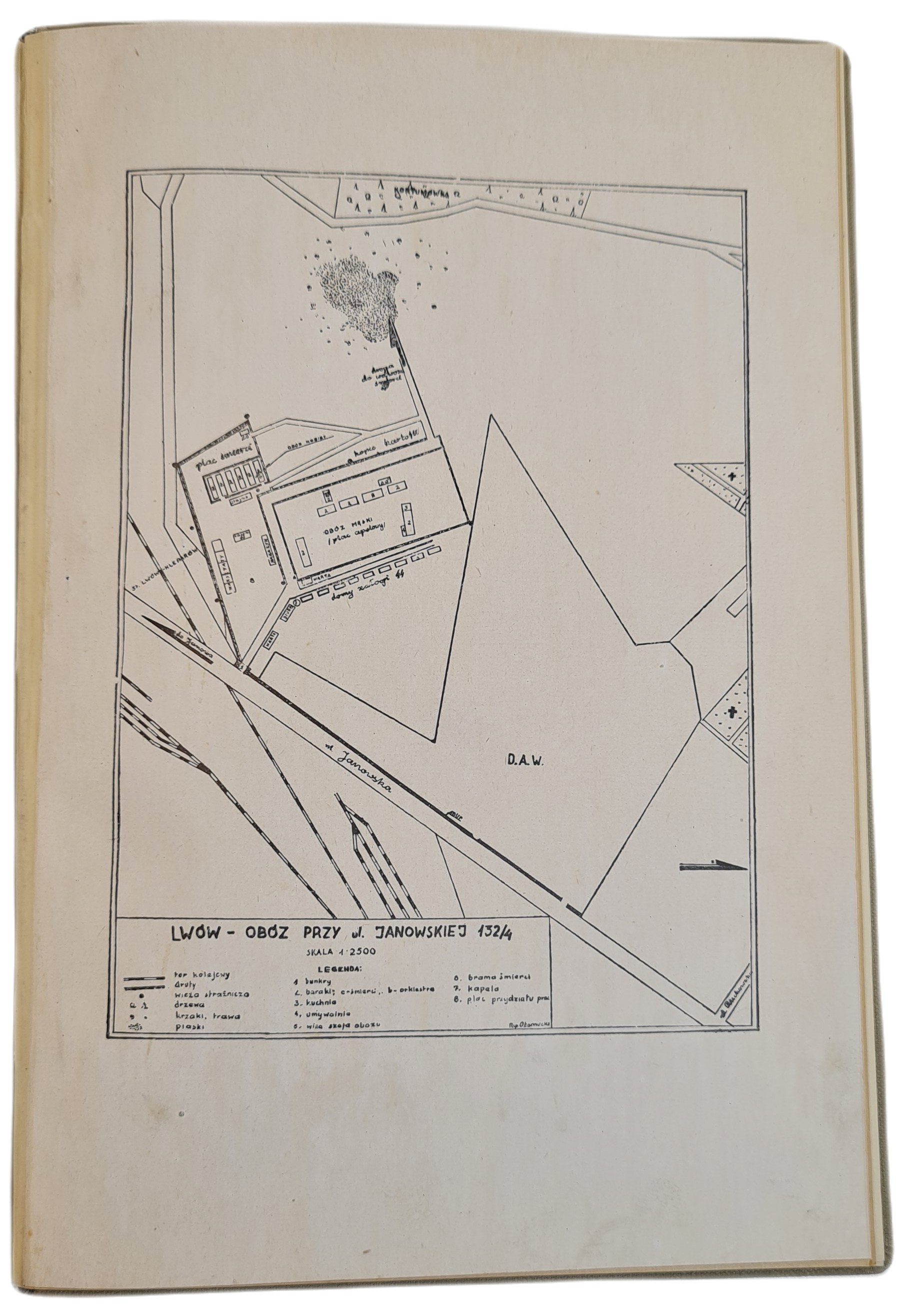
Compiled by Rachela Auerbach. Published by the Centr.Żydowska Komisja Hist. at the Central Committee of Polish Jews, Lodz 1946. cover broch. designed by J.M. Szancer. Photographs. Map. Dimensions 22x15,2cm, pages 134. hardcover introl. Underlining in places in the text.
"The Death Brigade" (often published with the subtitle Sonderkommando 1005) is a harrowing memoir by Leon Weliczker (later known as Leon Wells), which is one of the most important testimonies documenting the so-called Operation 1005 - the Nazi operation to obliterate traces of mass crimes.
The key issues treated in this book are:
1. work in Sonderkommando 1005
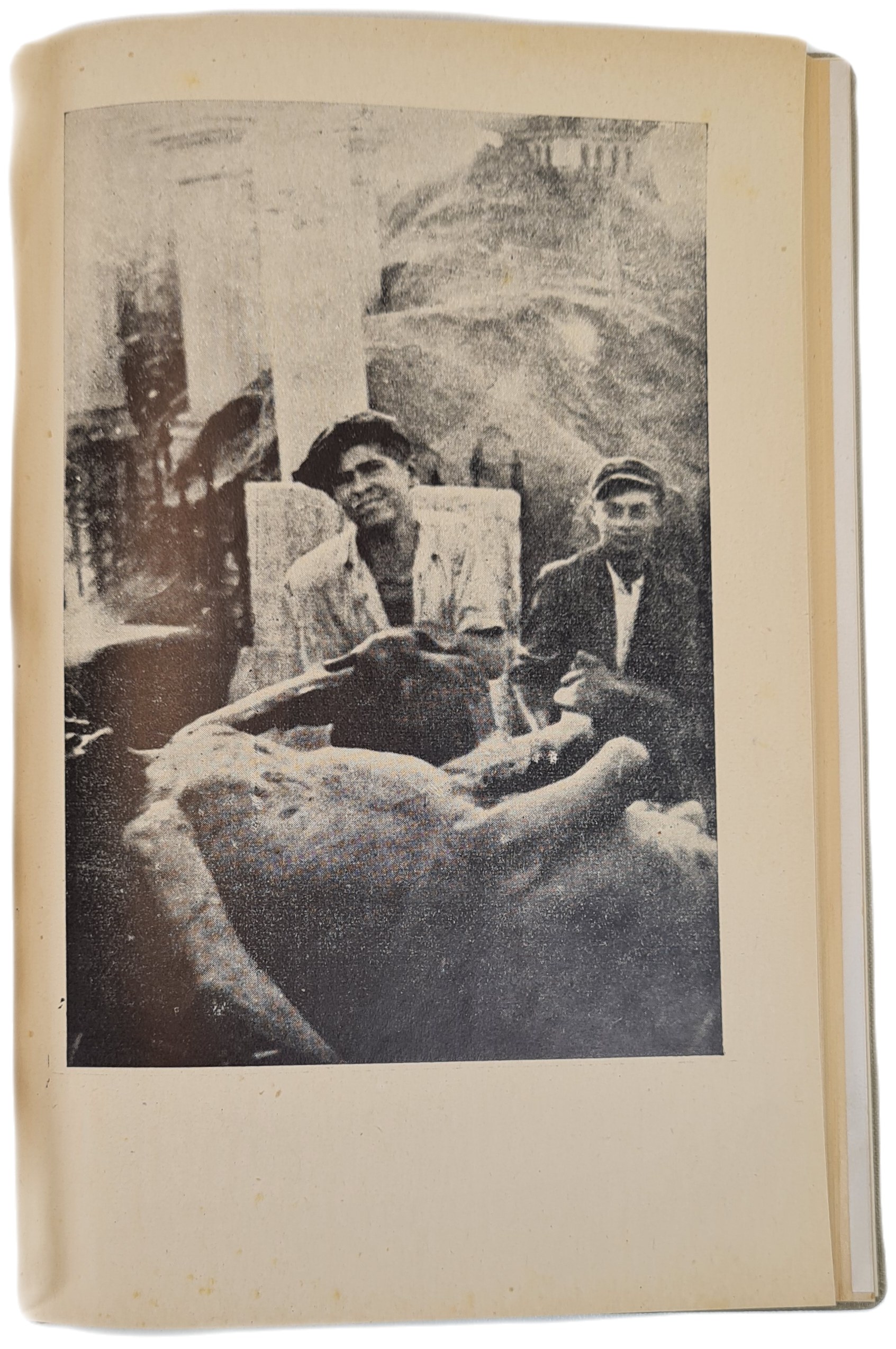
The main subject of the book is the author's stay in the special punishment unit at the Janowska Camp in Lviv in 1943. Weliczker, as a young Jew, was assigned to the "Death Brigade," whose task was:
Digging out the bodies of previously murdered people (including ghetto liquidation victims and Lviv professors) from mass graves.
Burning the bodies on huge piles so that no trace of them would be left before the approaching Soviet front.
Grinding the bones and spreading the ashes to completely hide the evidence of the genocide.
2 The heartless "bureaucracy" of crime
The book horrifically describes the technical aspects of this macabre work. The author recalls how the Nazis made the prisoners count the corpses and referred to them objectively as "figures." He describes the process of building the pyres so that they burned most efficiently, and the daily life in the shadow of the smoke from the burning bodies.
3 A study of the psychology of survival
Weliczker analyzes the defense mechanisms of the human psyche in border situations. He describes the state of emotional stupor ("not to think") that allowed prisoners to function when, for example, they had to burn the bodies of their own family members or friends.
4 Escape and rescue
The memoir doesn't end with brig work. It also describes:
A daring escape from the camp in November 1943.
The period of hiding in almost complete isolation (in the basement at the home of the Polish Kalvinsky family).
The process of writing these memoirs down hot, right after liberation, which gives the book the raw, authentic character of a document.
Unlike many post-war memoirs, Death Brigade was written very early (the first edition is 1946). It is a rare record of the Sonderkommando 1005 units, which were to be completely liquidated after completing their task so that no witnesses would be left. Weliczker was one of the few who managed to survive and tell the story of this "obliteration industry."