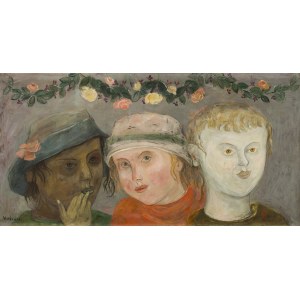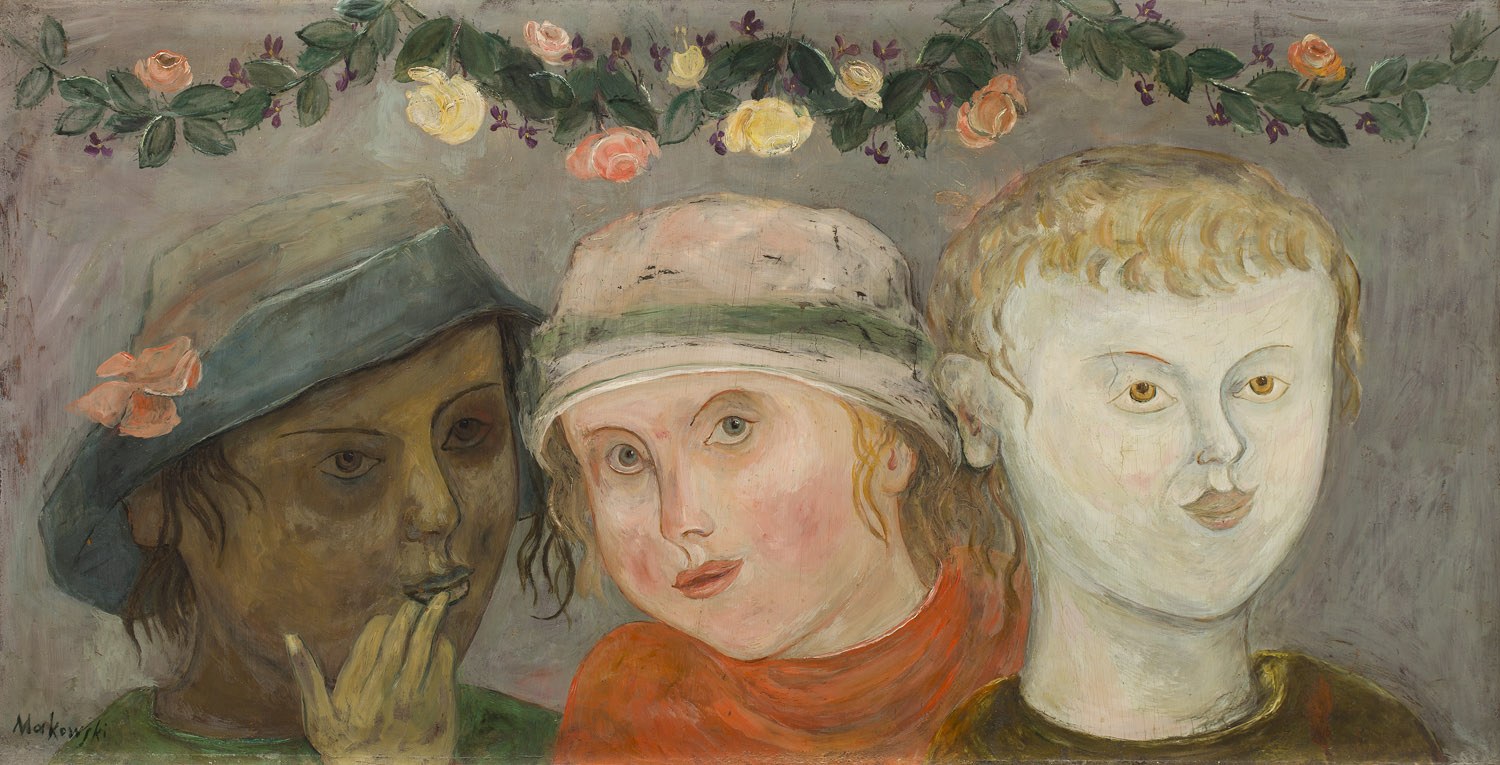
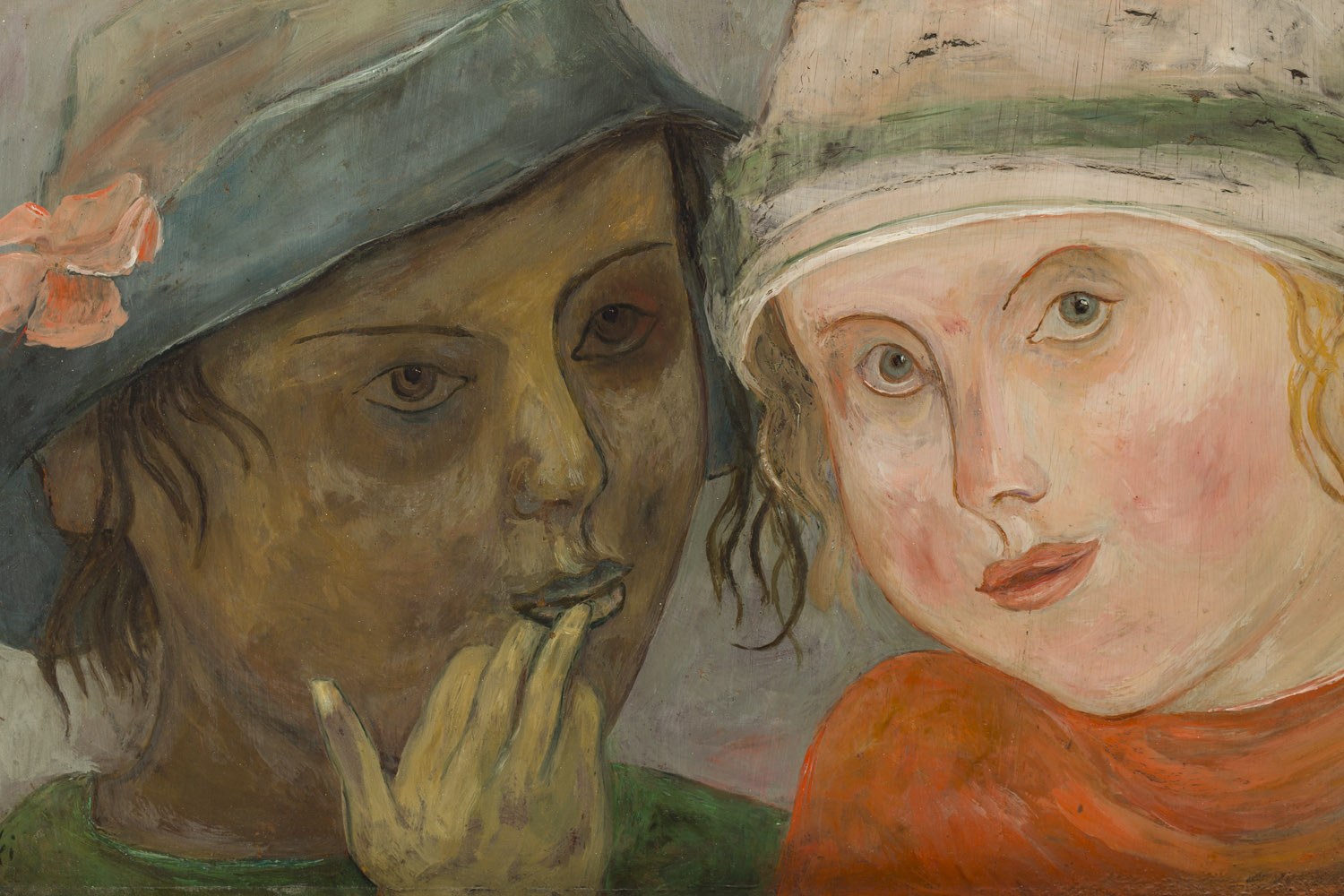
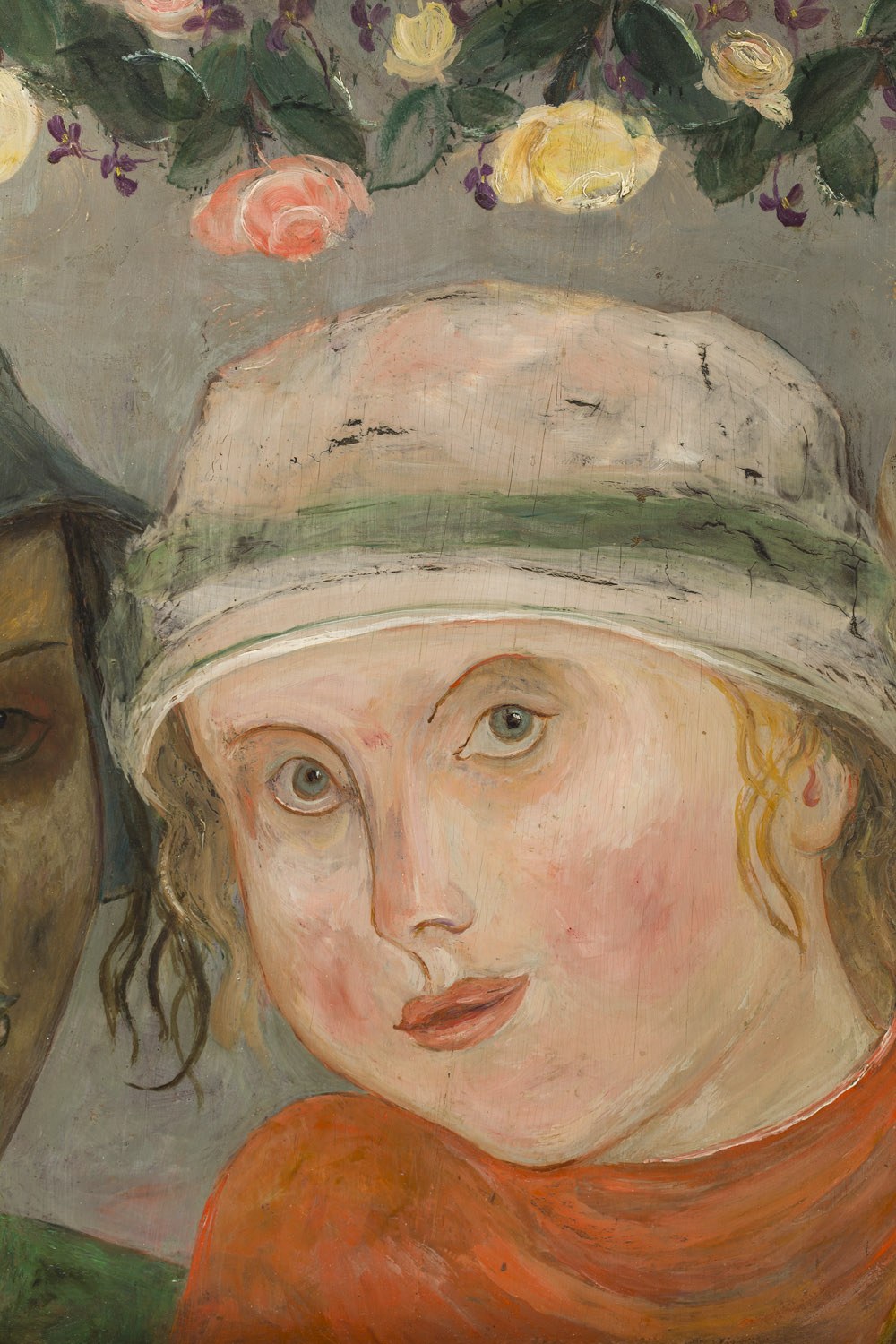
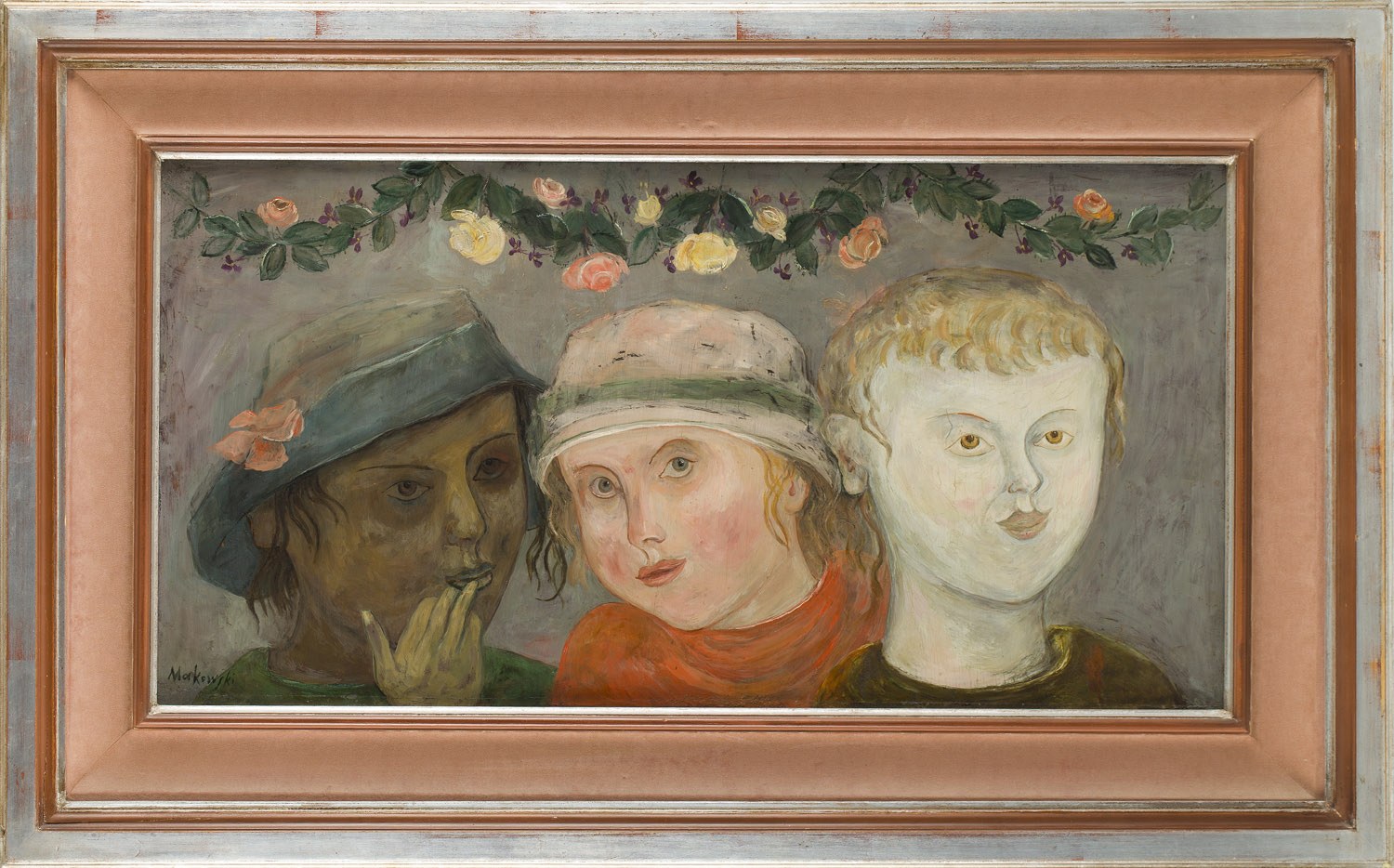
Dimensions: 40 x 75.5 cm
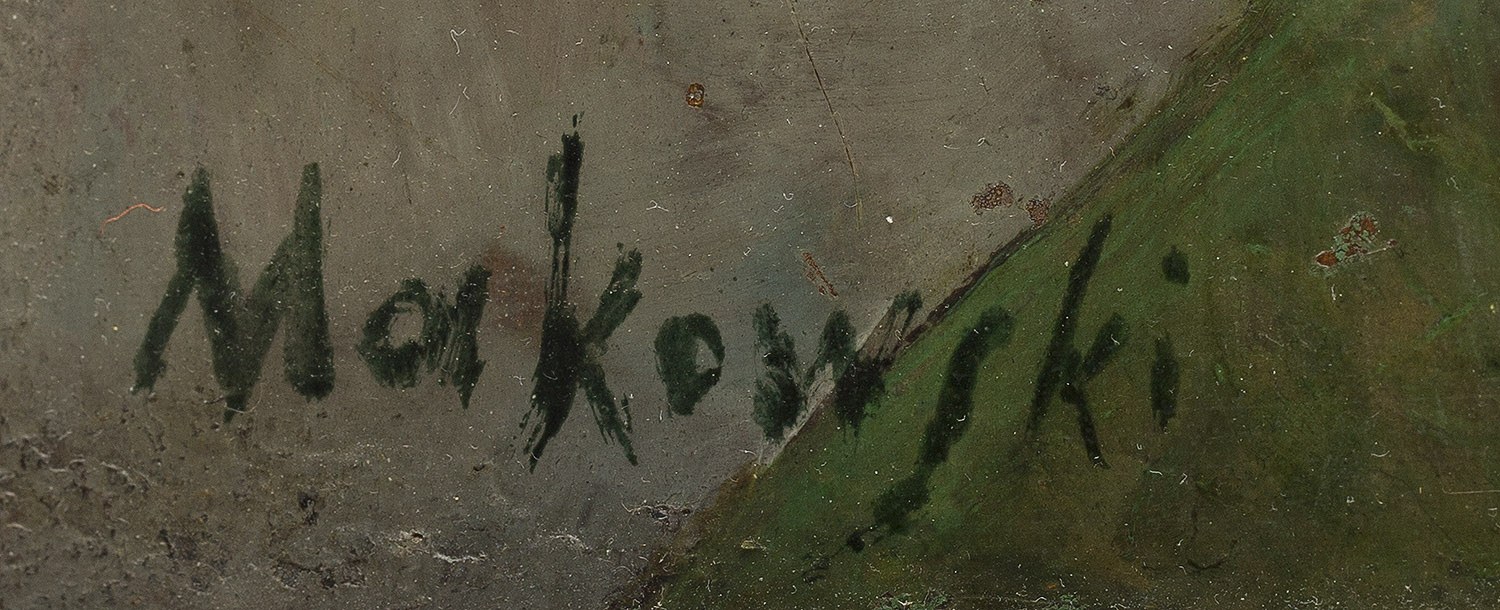
signed l.d.: 'Makowski'
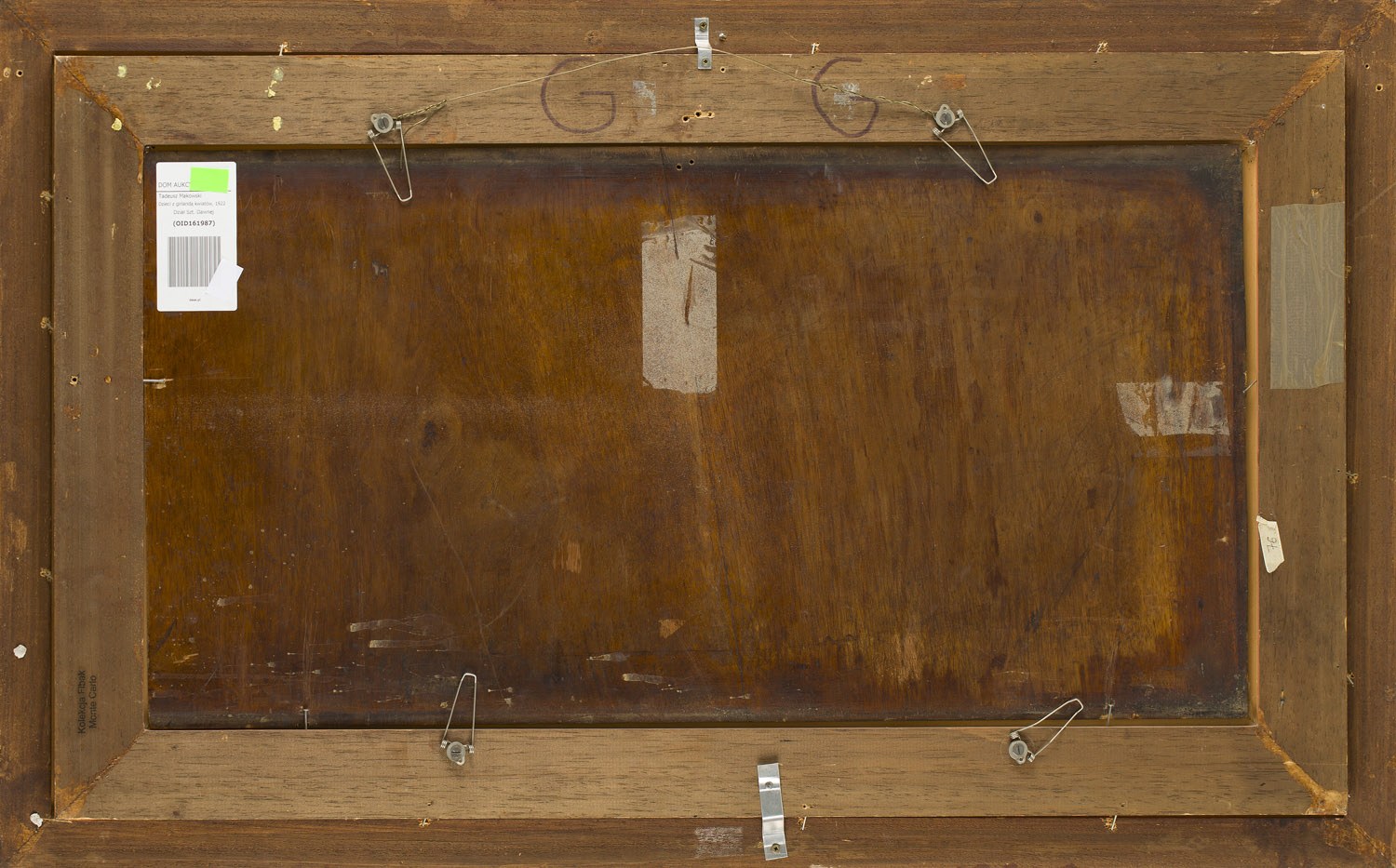
on the painter's loom the collector's stamp
Origins
In the historical collection of the art dealer Gaston Cheron
Galerie Dauman, Paris (1961)
Galerie Raspail, Paris (1964)
Galerie Marek, Paris, 1991
Exhibited
August Zamoyski. Thinking in Stone, Centre for Contemporary Art Znaki Czasu, Torun, June 21-September 1, 2024
Polish Paris. École de Paris. Collection of Wojciech Fibak, National Museum in Szczecin, December 1999-March 2000.
Polish Painting in the Collection of Ewa and Wojciech Fibak, National Museum in Warsaw, May 23-August 9, 1992; National Museum in Poznan, August 22-October 25, 1992.
Literature
New Generation and Classics of Modernity from the Collection of Wojciech Fibak, exhibition catalog, Centre for Contemporary Art Znaki Czasu, ed. Krzysztof Stanisławski, Anna Kompanowska, Toruń 2024, p. 284 (il.).
On the Track of Perfection. Selected works from the collection of Wojciech Fibak, exhibition catalog, State Art Gallery in Sopot, Sopot 2022, p.39 (il.)
Contemporary Art from the Collection of Wojciech Fibak, exhibition catalog, Leon Wyczółkowski District Museum in Bydgoszcz, ed. by Michał F. Wozniak, Bydgoszcz 2018, p.50 (il.)
Polish Paris. École de Paris. Collection of Wojciech Fibak, exhibition catalog, National Museum in Szczecin, Szczecin 1999, p. 92 (ill.)
Władysława Jaworska, Tadeusz Makowski, Cracow 1999, p. 59 (il.)
Polish Painting in the Collection of Ewa and Wojciech Fibak, exhibition catalog, National Museum in Warsaw, National Museum in Poznan, Warsaw 1992, p. 113 (ill.)
Władysława Jaworska, Tadeusz Makowski. Life and work, Wroclaw 1964, p. 340, cat. no. 336 (as "Three girls under a garland of flowers", ca. 1922)
Tadeusz Makowski, Diary, compiled by. Wladyslawa Jaworska, Warsaw 1961, pp. 269-270 (mentioned in a note dated March 11, 1922) and fig. 34
Biography
Tadeusz Makowski is one of the most outstanding Polish artists of the 1st half of the 20th century. He was a painter, graphic artist and draughtsman. In 1903-08, he studied at the Cracow Academy with Jozef Unierzyski, Jozef Mehoffer and Jan Stanislawski; at the same time he studied philology at the Jagiellonian University. In 1908, via Munich, he went to Paris, where he settled permanently. From there he traveled to Brittany, Auvergne and the south of France for summer seasons. He also made an artistic trip to Holland and Belgium (1921). In Paris, he was friends with many prominent painters, writers and art dealers. He maintained lively contacts with Polish artists residing in France and was president of the Paris-based "Society of Polish Artists." He exhibited his works at home - in Cracow and Warsaw (from 1907) and Lviv (1910) - and abroad: in Paris, Barcelona, Vienna, Budapest and Amsterdam. He painted figural compositions, landscapes, still lifes and portraits, especially of children. Experimenting with cubist painting, he developed his own individual style. With form, color and light, as well as a certain deformation, he built lyrical though sometimes not without a certain irony or derision in his painting compositions.