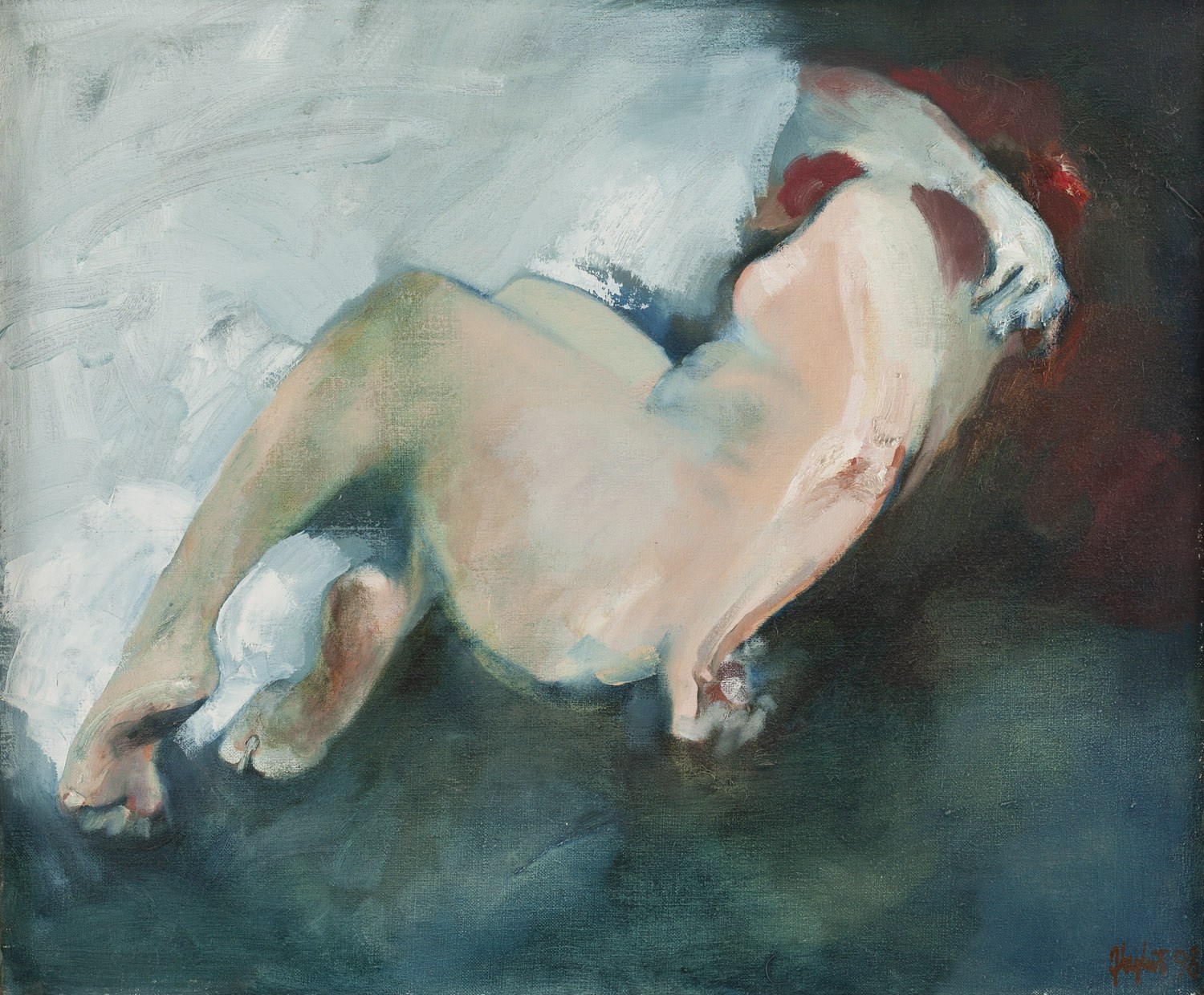
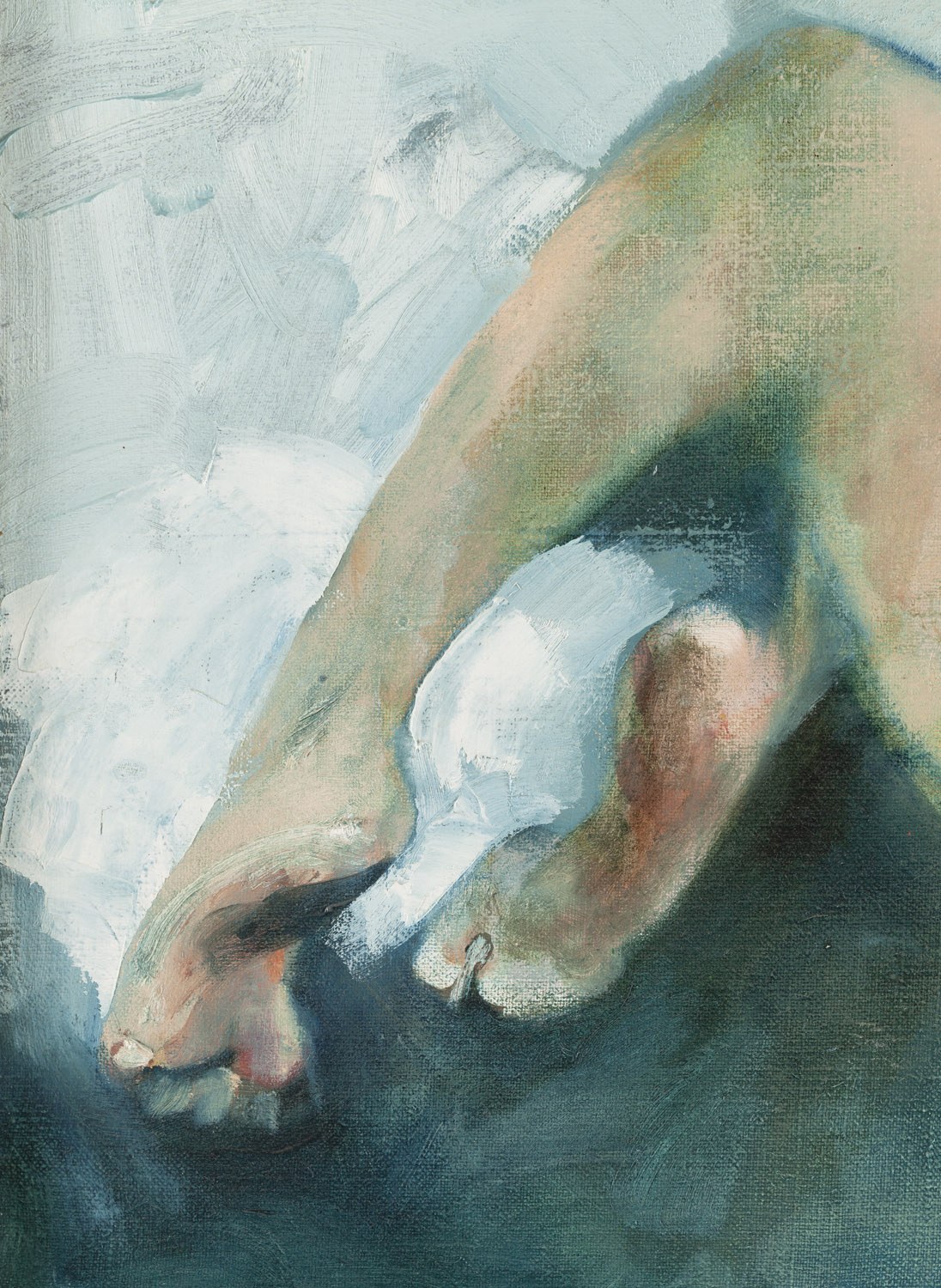
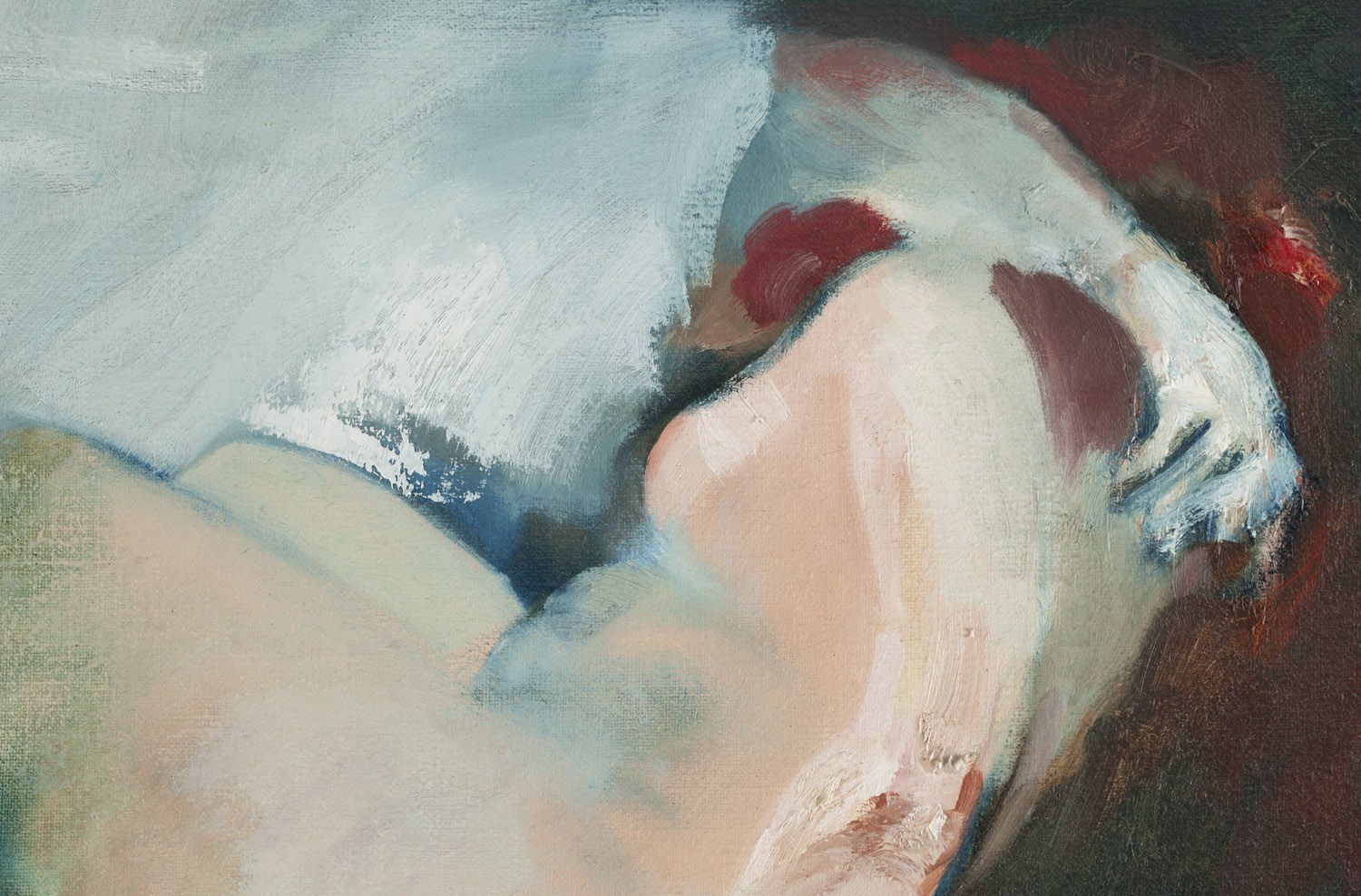
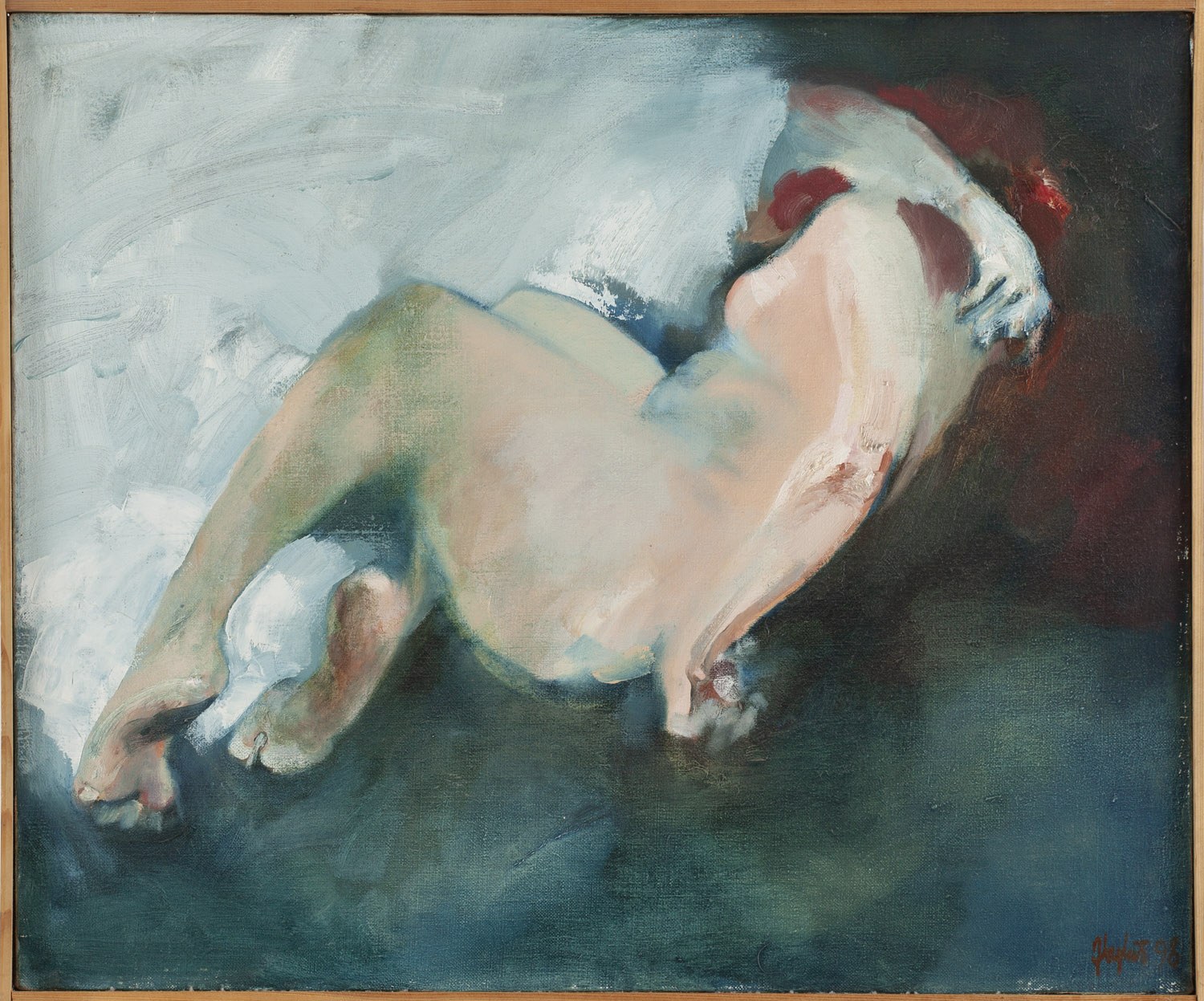
Dimensions: 54 x 65 cm
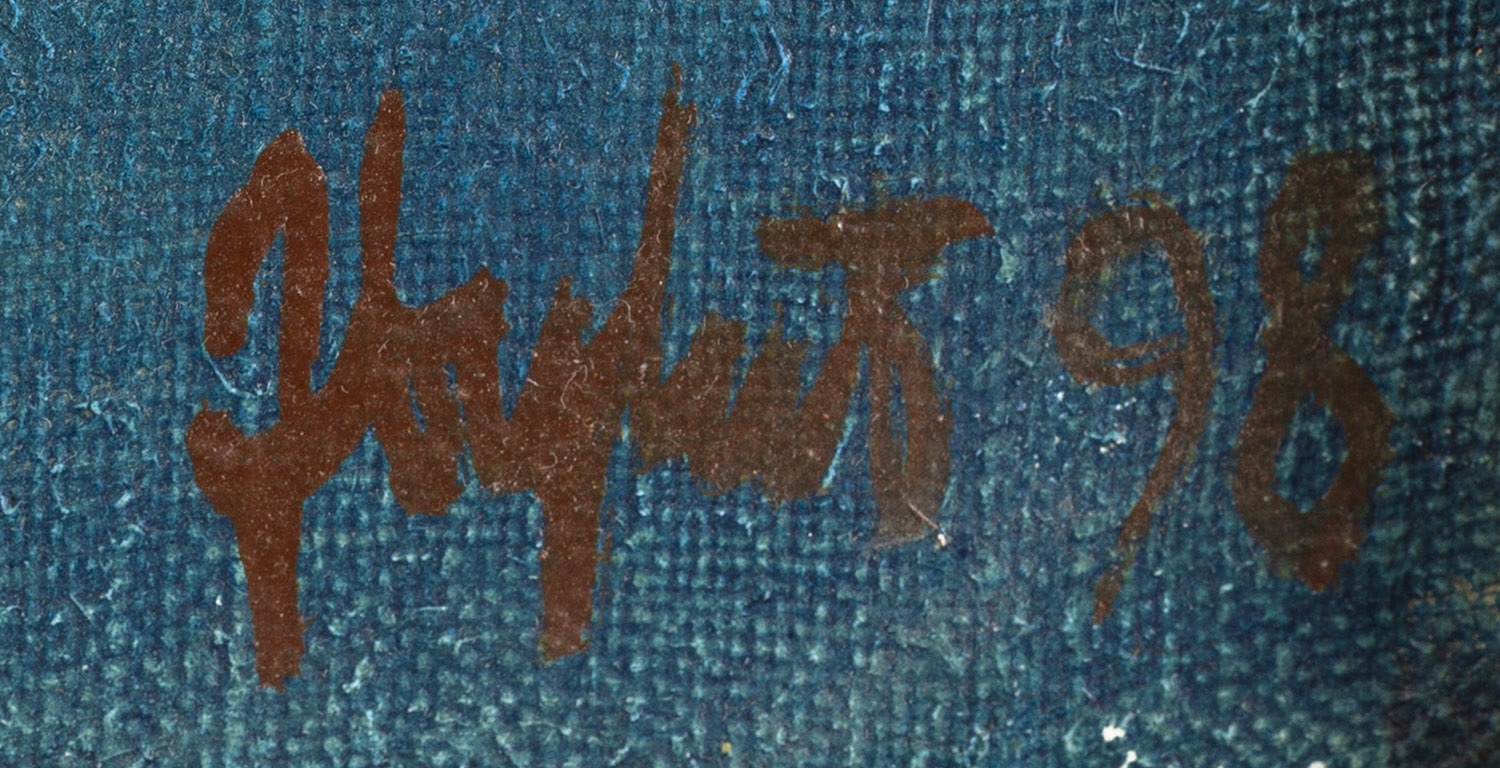
signed and dated lower right: 'Zbylut 98'
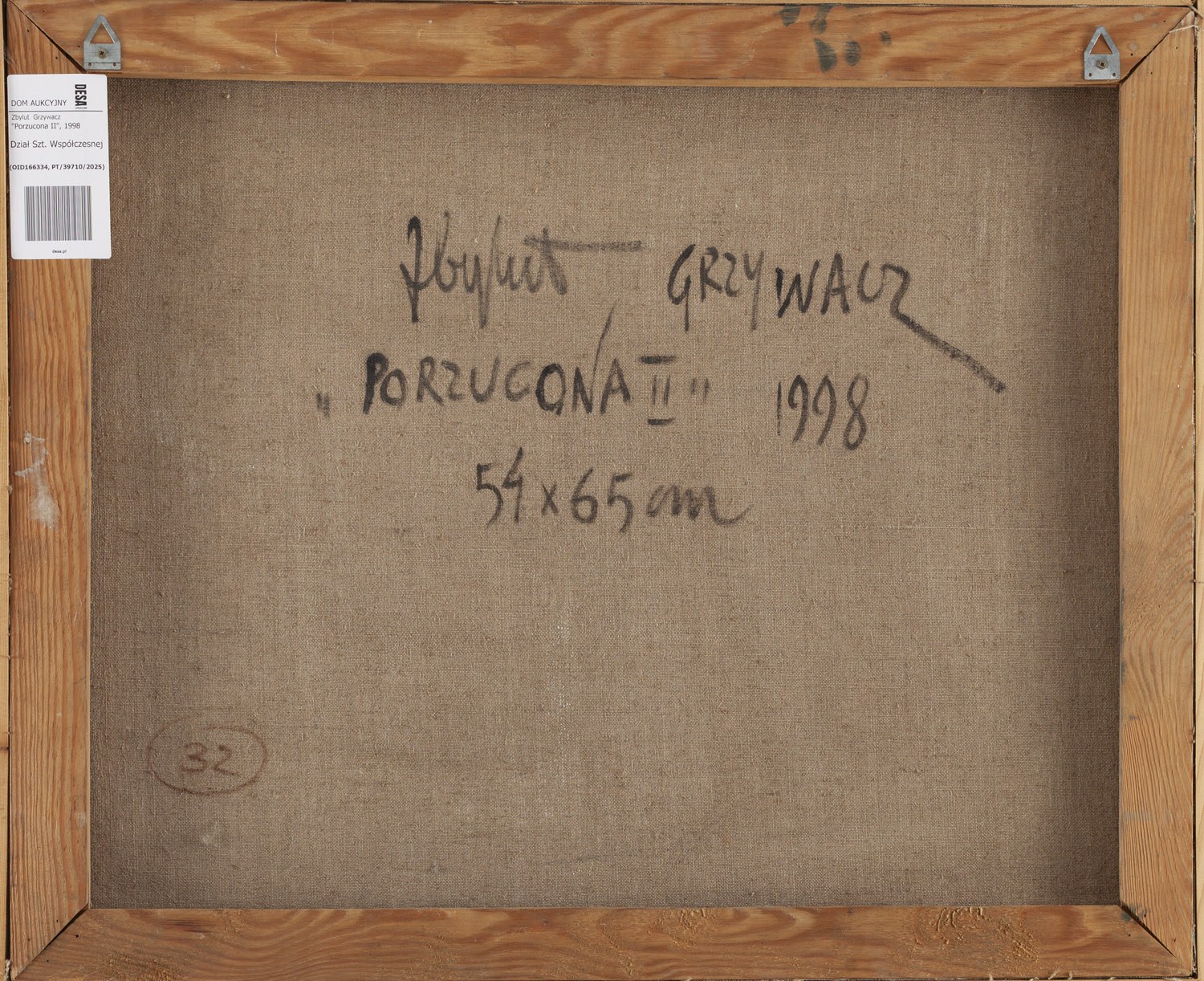
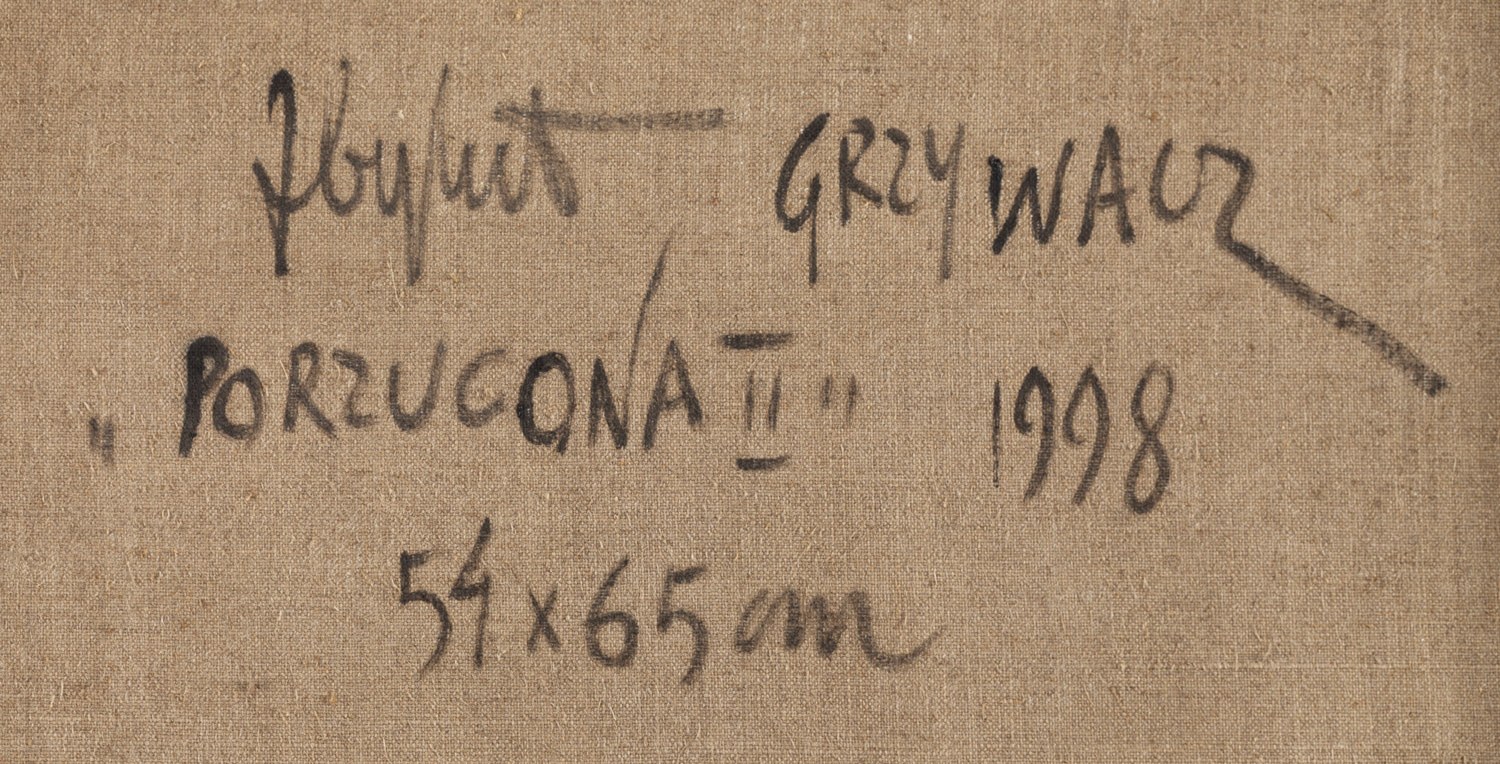
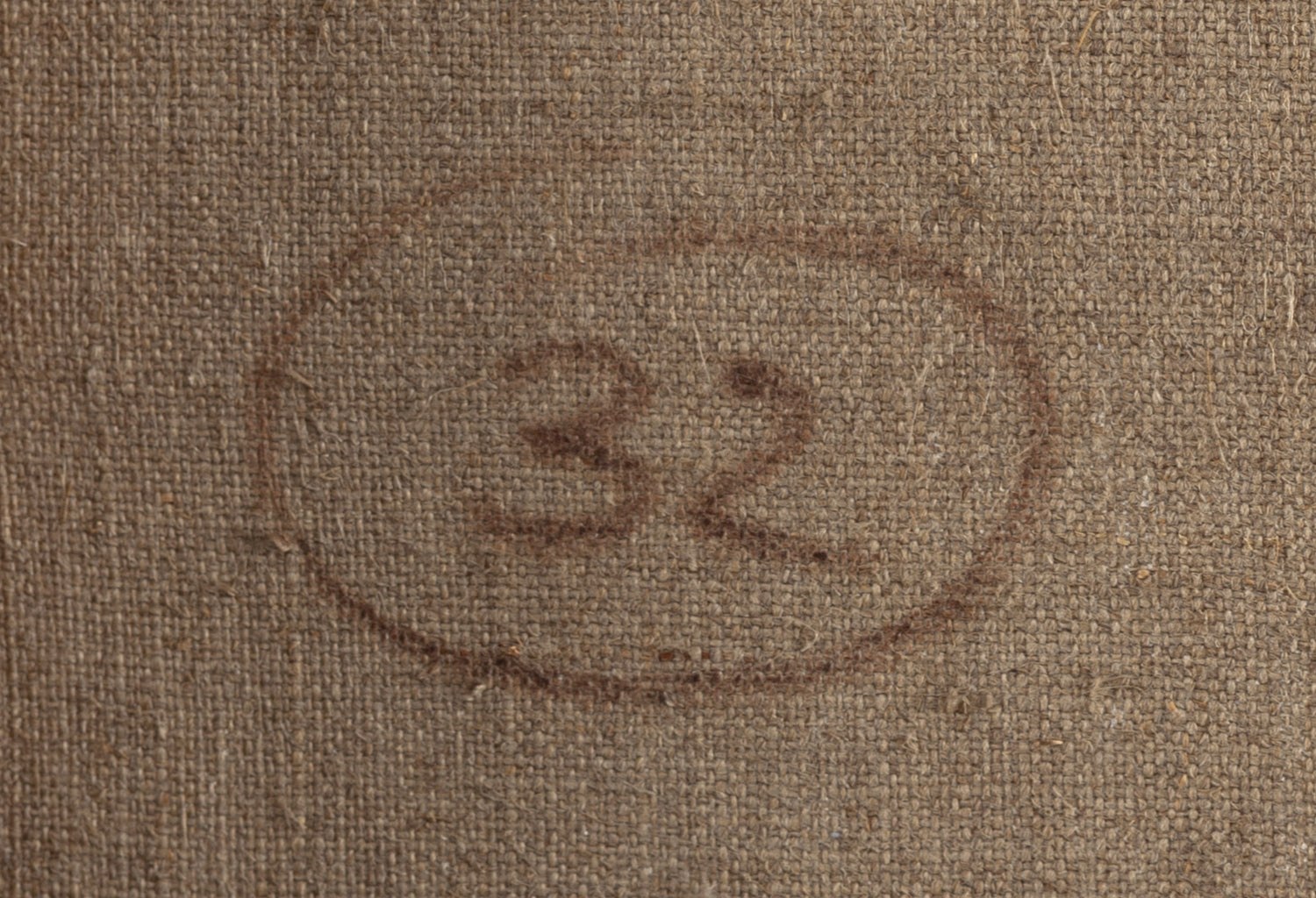
signed, dated, labeled, and numbered on the reverse: 'Zbylut GRZYWACZ | “PORZUCONA II” 1998 | 54 x 65 cm | 32 [in a circle]''
Exhibited
Zbylut Grzywacz 1939–2004, National Museum in Kraków, March 13–May 31, 2009
Bibliography
Zbylut Grzywacz 1939–2004, exhibition catalog, National Museum in Kraków, eds. Joanna Boniecka, Jacek Waltoś, Kraków 2008, catalog raisonné entry: 405, p. 355 (ill., complete catalog of paintings)
Biography
In 1963, he graduated from the Academy of Fine Arts in Kraków from E. Krcha’s studio. He began working at the Academy in 1972 and became a professor there in 1991. As a painter, draftsman, sculptor, printmaker, writer, photographer, essayist, and educator, he was active in many artistic fields. He was also a lover and expert in paleontology; he collected stones and helped popularize science and art. Together with his wife Maria, he founded and ran the ESTE Gallery of Curiosities and the ESTE School of Drawing and Painting in Kraków. In 1966, together with M. Bieniasz, J. Waltos, and L. Sobocki, he founded the “Wprost” group. His early work was influenced by F. Bacon, featuring characteristic deformations and exaggerations. Later, he adopted more realistic means of expression. During martial law in the People’s Republic of Poland, he was interned as a democratic dissident. In the early 1980s, he created the series “Rekolekcje wiśnickie” and “Wiosna 1982,” in which he alluded to martial law by depicting still lifes featuring pieces of bread and chains. Later, he returned to the theme of the female nude, painting bodies marked by scars and wounds. From 1989 onward, he painted nudes, but now in a style that affirmed life and beauty.
His body of work included approximately 70 solo exhibitions, over 20 held as part of the Wprost group (1966–1986 and 2016), and about 200 group exhibitions in Poland and abroad. The artist’s works can be found in the collections of most Polish museums, as well as in Polish and international private collections. In 2009, a posthumous retrospective of the artist’s work was held at the National Museum in Kraków. The exhibition was accompanied by a comprehensive catalog titled *Zbylut Grzywacz 1939–2004*, edited by J. Boniecka and J. Waltoś, which was the result of five years of research devoted to the artist’s legacy and reception.